


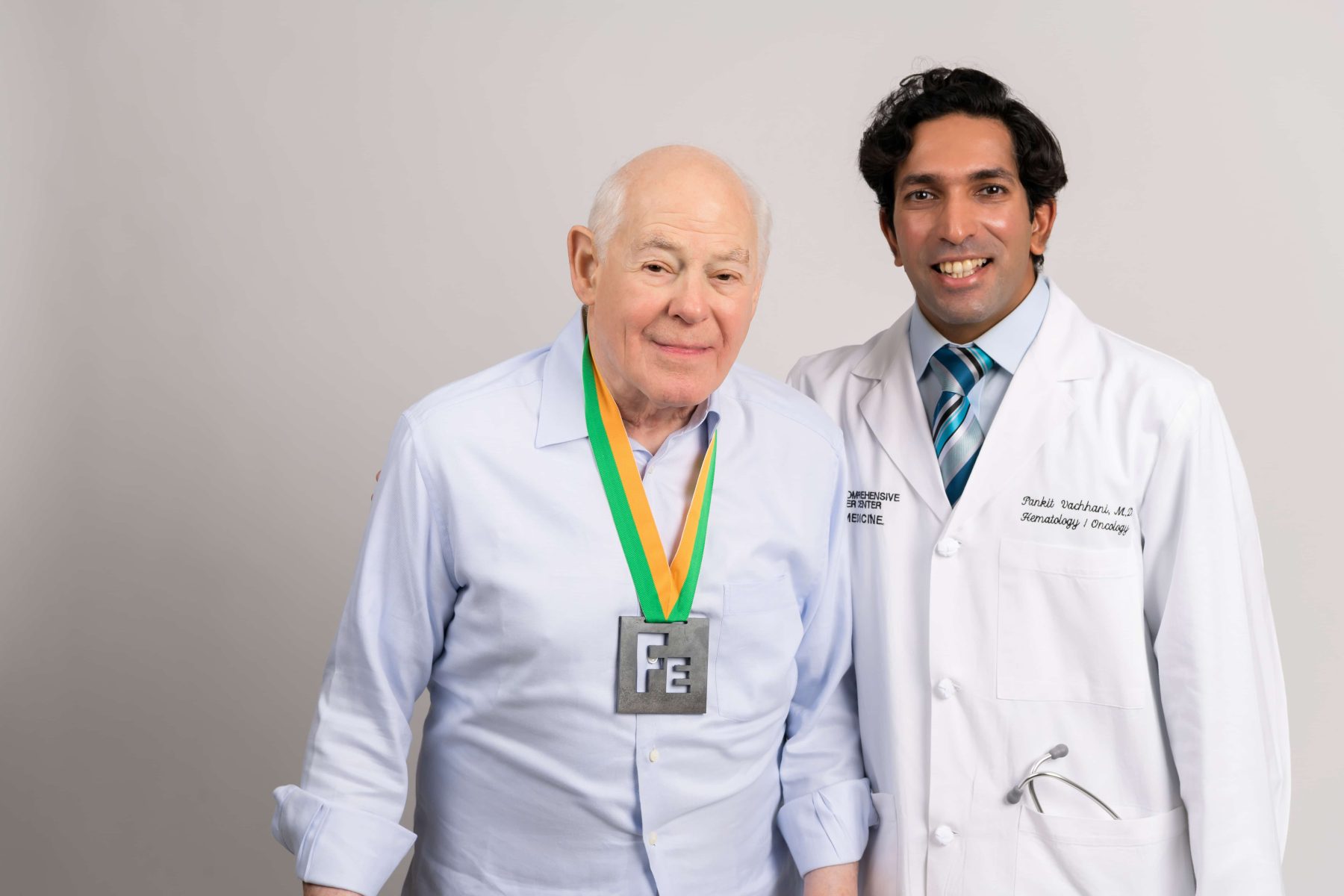
Raymond Gotlieb
After six years of dealing with a rare form of leukemia that required regular blood transfusions for treatment, Raymond Gotlieb faced a choice. Either continue with the transfusions – perhaps as often as once a week – or enroll in a Phase 1 clinical trial of an oral medication designed to improve his red blood cell count. As far as Gotlieb was concerned, it was an easy decision.
“If there was even a possibility of the trial helping me, I was willing to try it. There really wasn’t much question about it,” Gotlieb says. “It never crossed my mind not to do it. Anything would have been better than getting all those transfusions.”
By then, Gotlieb certainly had plenty of first-hand knowledge about what the blood transfusions were like. He began having the procedures after his initial diagnosis in 2013 at age 74, and continued them for most of the rest of the decade.
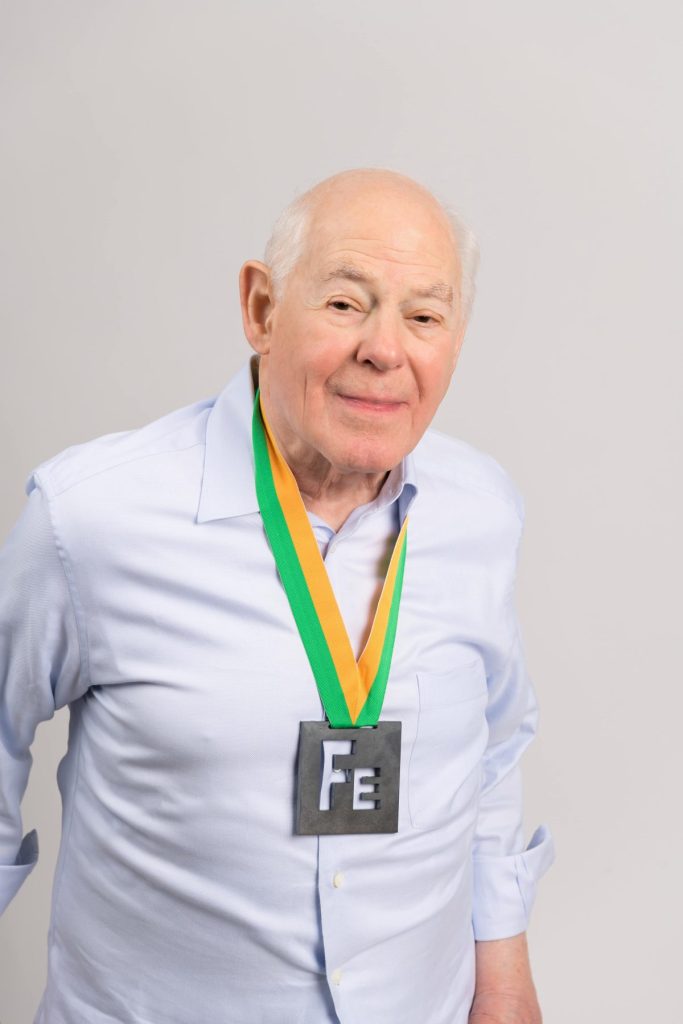
But while his condition remained stable during this time, the transfusions themselves gradually became less effective. As a result, Gotlieb went from undergoing the process once every six weeks when he started, to once every 10 days or so by 2019. The time-consuming and energy-draining procedure was close to becoming a weekly occurrence in his life.
“It got to the point that he was requiring so many blood transfusions, he was becoming very fatigued,” says Pankit Vachhani, M.D., an assistant professor of medicine in the UAB Division of Hematology and Oncology. “Blood transfusions increase the iron levels in a person. We want the will of our patients to be iron strong, but we don’t want them to be filled with iron.”
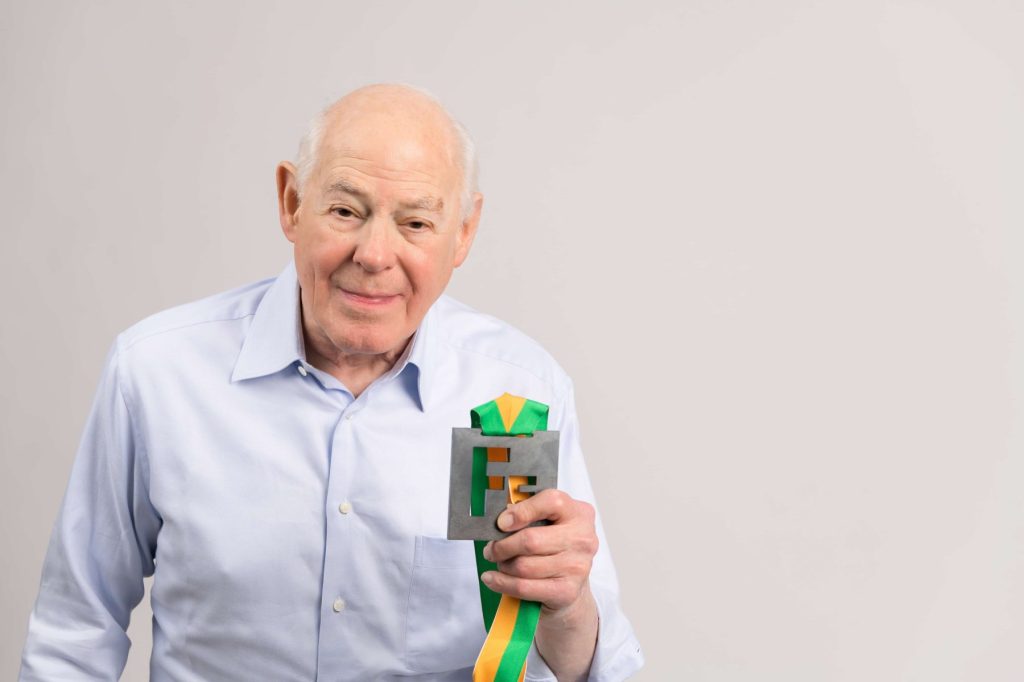
So Gotlieb began the clinical trial in October of 2019, and he quickly went from needing transfusions to being transformed. The oral hypomethylating agent, called ASTX-727, began producing positive results in a matter of months. Gotfried’s transfusion requirements steadily decreased, then eventually were eliminated entirely.
“He’s had dramatic success by going on the clinical trial,” Vachhani says. “When I first met him, he was always tired. Now he’s doing so much better. It’s been amazing.”
Gotlieb continues taking the medication, and he returns to UAB every five weeks for evaluation. Other than that, his health is strong enough that – at age 86 – he still puts in regular work hours as founder and president of the Birmingham-based Metropolitan Properties real estate company.
“The medication has been doing its job, and I don’t really have any other health issues right now,” Gotlieb says. “Dr. Vachhani has been really easy to work with. He’s always available whenever I need to talk with him. And the people and facilities at UAB have been outstanding. If you’ve got to go through something like this, I couldn’t have asked for anyplace better.”