



James Proctor
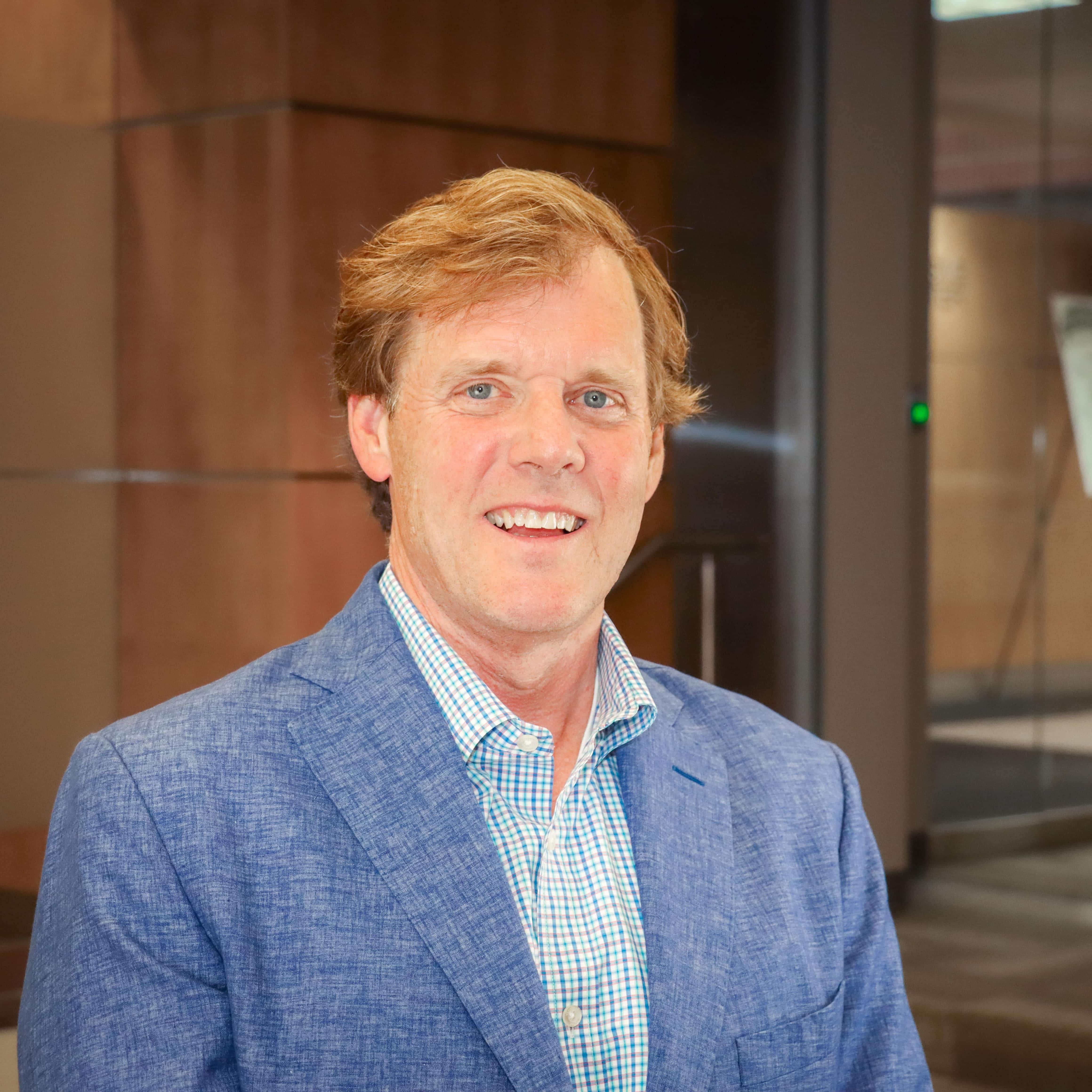
In 2024, attorney James Proctor was diagnosed with glioblastoma, an aggressive type of brain cancer that currently has no cure. He relied on the experts at the UAB O’Neal Cancer Center for treatment, and they informed him of a potentially life-extending clinical trial opportunity. Since enrolling in the study, his tumor has not grown.
Proctor first underwent the current standard of care: surgery, which removed about 90% of the tumor, followed by six weeks of radiation and oral chemotherapy. Also, Proctor enrolled in a clinical trial called AGILE, taking place at UAB and sponsored by the Global Coalition for Adaptive Research.
The trial involves weekly intramuscular injections of ADI-PEG 20, an anticancer enzyme that breaks down arginine, an amino acid some tumor cells need to grow. True to his professional roots, the attorney knew when to rely on expert testimony.
“One of the difficult things was trying to decide which one of the various treatments to try,” Proctor said. “We just had to rely on the professionals to help us understand which direction we should navigate, and this is the one we chose.”
In 2024, attorney James Proctor was diagnosed with glioblastoma, an aggressive type of brain cancer that currently has no cure. He relied on the experts at the UAB O’Neal Cancer Center for treatment, and they informed him of a potentially life-extending clinical trial opportunity. Since enrolling in the study, his tumor has not grown.
Proctor first underwent the current standard of care: surgery, which removed about 90% of the tumor, followed by six weeks of radiation and oral chemotherapy. Also, Proctor enrolled in a clinical trial called AGILE, taking place at UAB and sponsored by the Global Coalition for Adaptive Research.
The trial involves weekly intramuscular injections of ADI-PEG 20, an anticancer enzyme that breaks down arginine, an amino acid some tumor cells need to grow. True to his professional roots, the attorney knew when to rely on expert testimony.
“One of the difficult things was trying to decide which one of the various treatments to try,” Proctor said. “We just had to rely on the professionals to help us understand which direction we should navigate, and this is the one we chose.”
For the past two years, Proctor has been receiving weekly intramuscular injections as part of the study.
“The trial really hasn’t been that bad, except that I’m afraid of needles, and the one they stick me with is about five inches long,” Proctor said. “But I just had to get used to it. Now it doesn’t really bother me at all.”
Dealing with a needle is an acceptable tradeoff for the results Proctor has experienced. Although glioblastoma is not curable at this time, it can be managed. “He’s tolerated the drug without much problem, and his recent MRIs have been looking good,” said UAB neuro-oncologist L. Burt Nabors, M.D. “Day to day, from a clinical perspective, he’s doing well.”
More time and quality of life
Dr. Nabors acknowledges that the drug will not eliminate Proctor’s cancer, but that’s not the goal of this trial. Instead, researchers are still at the stage of controlling glioblastoma, to give patients more time and maximize their quality of life.
“Research through clinical trials has led to new therapies that have become much more effective,” Dr. Nabors said. “Granted, they don’t cure this. But they certainly are helping people live longer and better, improving quality of life and maintaining neurological function.”
“Everyone wants the home-run cure, but maybe we just have to pick at it a little bit with slow improvements,” Dr. Nabors added. “The challenge with brain cancer is how it impacts your ability to do the day-to-day things you want to be doing. We’re trying to preserve that and promote the healing from the collateral damage that sometimes occurs from treating the cancer.”
For now, that’s enough for Proctor, who is able to travel and enjoy watching his granddaughter’s soccer games.
“Life always has some twists and turns we can’t control, but right now everything seems stable,” Proctor said. “We’re blessed with the fact we have a fabulous group of physicians who are doing a terrific job of taking care of my situation. As long as that’s the case, we’ll be in good spirits.”