


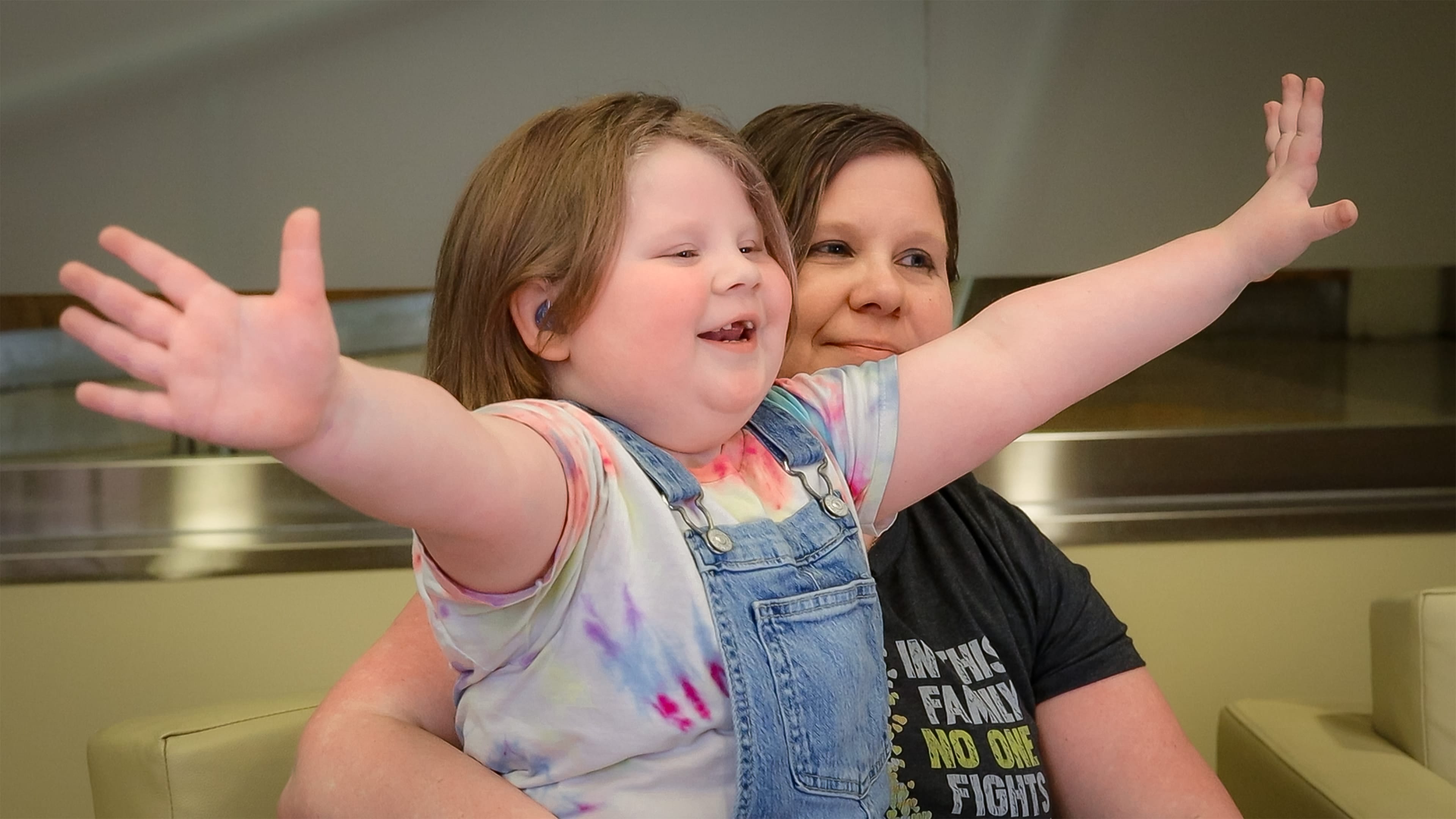
Piper Diamond
Iron Strong Awards 2026
Physician: Elizabeth Alva, M.D., and Julie Wolfson, M.D.
Cancer type: Metastatic neuroblastoma
The right medication can open new positive possibilities for some patients and their families – especially when the patient is a child.
Rhonda Diamond enrolled her four-year-old daughter, Piper, in a clinical trial at UAB for maintenance therapy following Piper’s surgery and treatment for metastatic neuroblastoma, an advanced childhood cancer that begins in nerve cells. Two years of a clinical trial medication made a dramatic difference.
Rhonda was looking for a hopeful direction for her and her daughter under difficult circumstances. Surgeons had removed one of Piper’s kidneys due to a tumor near her stomach, and she suffered hearing damage related to post-surgery chemotherapy. Then, Piper’s father died in a car accident during her treatment. By this time, she was barely two years old.
Piper spent nine months at Children’s of Alabama receiving chemotherapy, radiation, and an autologous stem cell transplant, which uses a patient’s own healthy stem cells. After several more months of treatment, Piper was enrolled in a clinical trial through the Beat Childhood Cancer Research Consortium. Its purpose was to see if the medication difluoromethylornithine (DFMO) could help prevent the cancer from coming back. She took the drug twice a day from November 2022 through November 2024.
“The trial has helped her progress and helped her grow,” Rhonda said. “She’s able to do things that other six-year-olds can do and live life like a normal child.”
A well-tolerated treatment
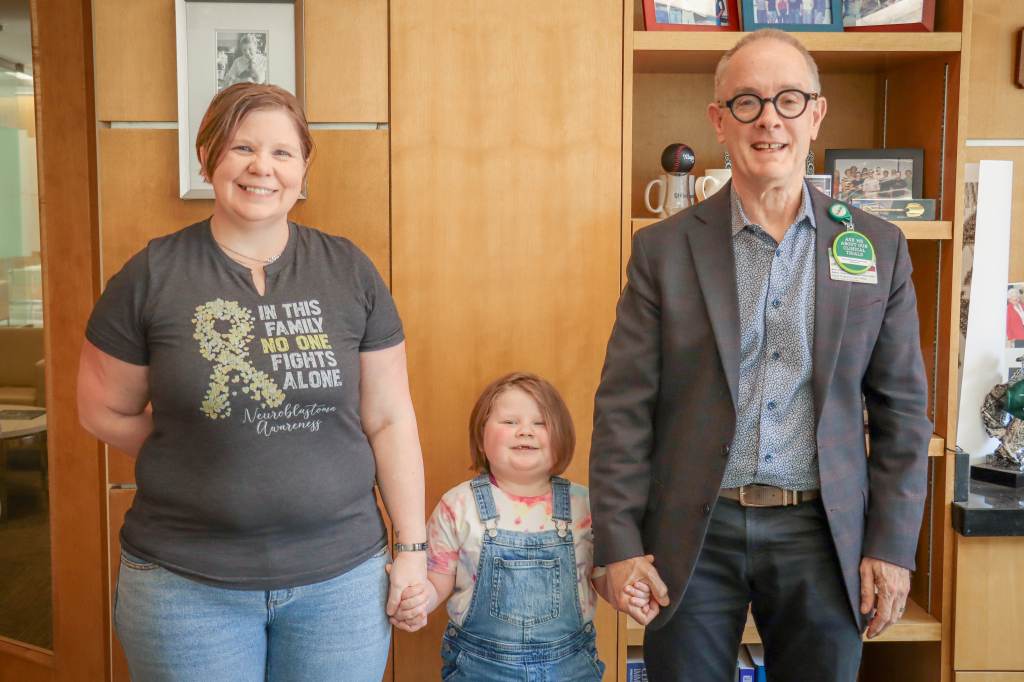
Nearly two years after completing her participation in the trial, Piper remains cancer-free. The trial’s success helped lead to U.S. Food & Drug Administration (FDA) approval of DFMO – now marketed under the brand name Iwilfin – to reduce the risk of relapse for patients with high-risk neuroblastoma.
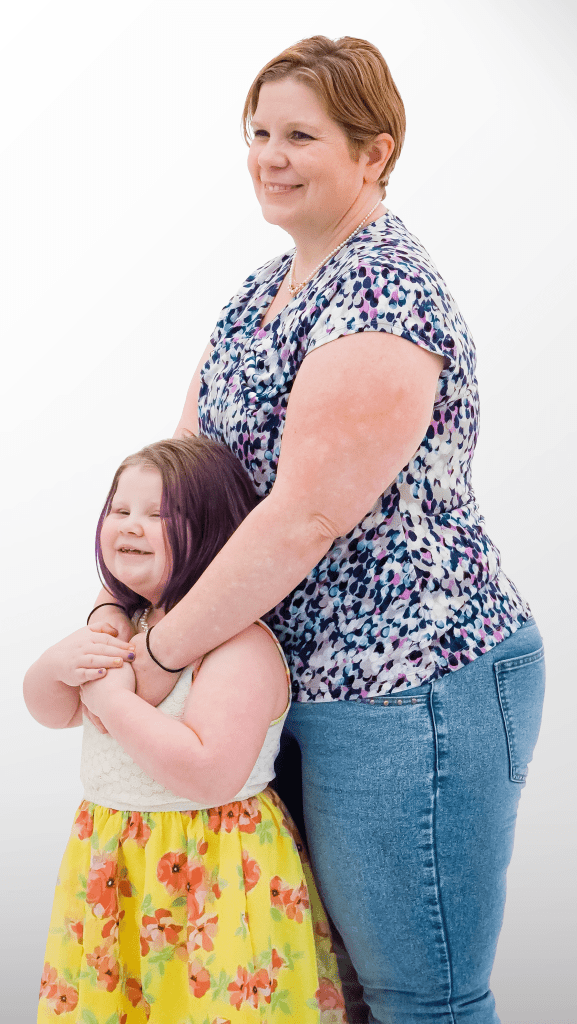
UAB pediatric hematologist-oncologist Elizabeth Alva, M.D., has been closely involved with Piper’s care. She says the primary goal of the trial was to evaluate a medication that could help prevent the numerous side effects that often occur with the standard treatment for patients with high-risk neuroblastoma.
“This is one of the most common solid-tumor malignancies in childhood, but when it presents as metastatic (meaning it has spread), it requires intensive treatment,” Dr. Alva said. “We kind of throw the entire kitchen sink of oncology care at these kids, and these treatments can be very toxic with a lot of side effects. There is a lot of cost to the cure.”
“This new medication is great because it’s well-tolerated,” Dr. Alva continued. “It’s just an oral medication, so it doesn’t require being in the hospital or a clinic. It’s a way to potentially improve outcomes without a lot of additional burden. It’s improving care without worsening toxicity.”
Positive progress
While Piper and her mother still manage the long-term effects of her cancer and treatment, her continued recovery is opening new doors.
“She has some challenges, but we’ll take it because she’s alive,” Rhonda said. “It’s really amazing, everything she has been through and overcome. She’s a blossoming child now. She still gets sick easily, but overall, she’s progressing well.
Still, she admits that signing up her child for a clinical trial treatment was a scary experience.
“In a way, it was a gamble,” Rhonda said. “But sometimes, gambles are what change you. It definitely changed and saved Piper, and because of that, it’s also able to save others.”