


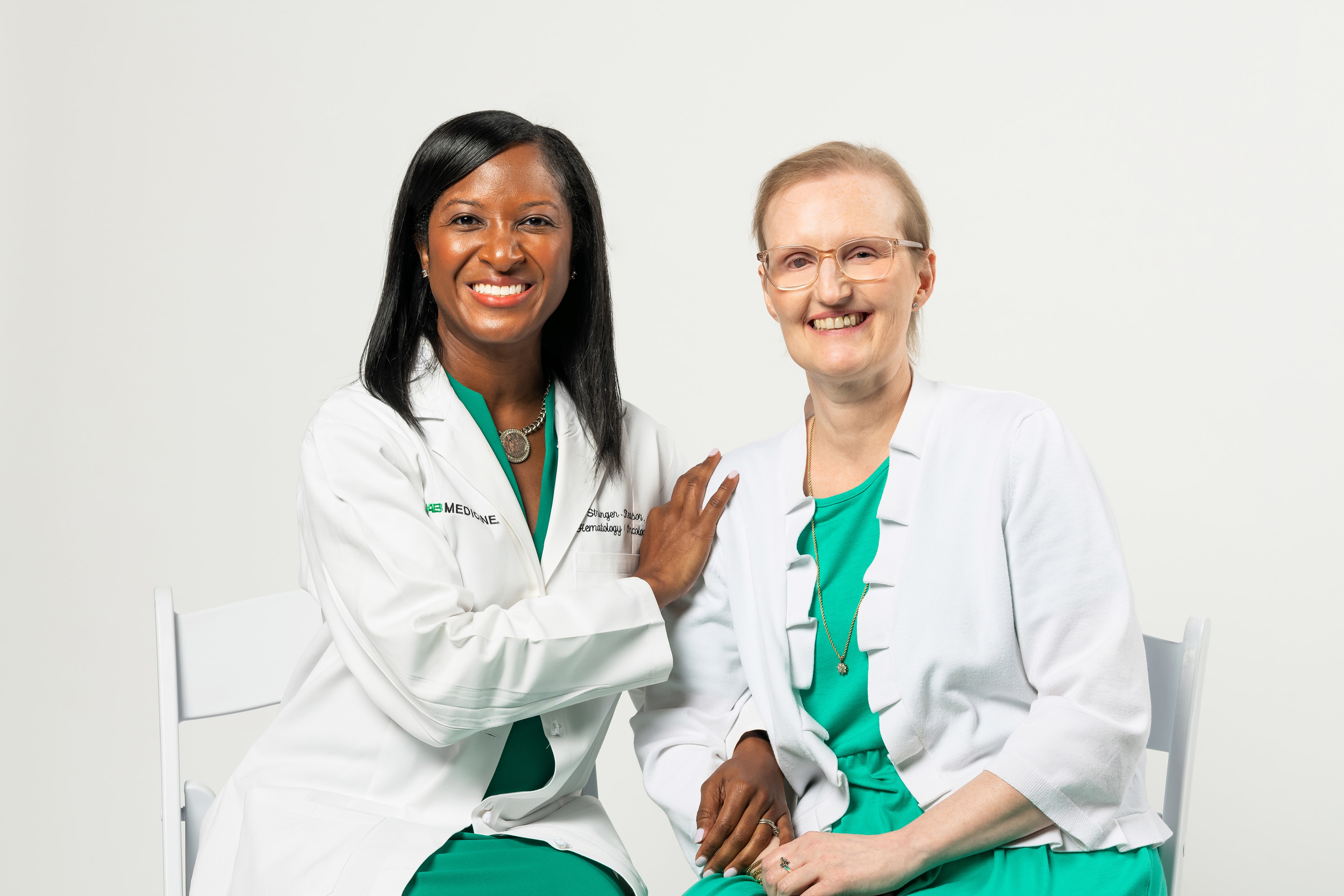
Rebecca Hall
Iron Strong Awards 2026
Physician: Erica Stringer-Reasor, M.D.
Cancer type: Metastatic breast cancer
In November 2018, Rebecca Hall had a relapse of breast cancer. She was told that it had spread to her brain and she might have only a few months to live. Finding the right clinical trial at UAB changed her narrative.
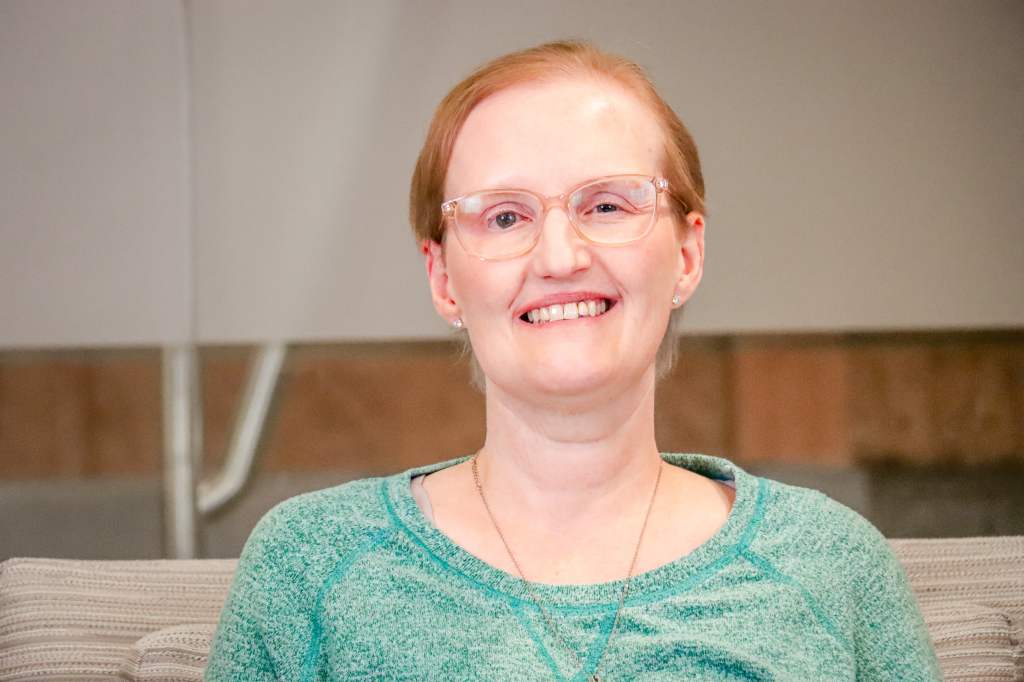
“Now it’s 2026, and I’m still here,” Hall said.
Hall was one of 17 patients who enrolled in an investigational therapy clinical trial through the Translational Breast Cancer Research Consortium, with UAB providing central monitoring.
Thanks to a combination of three drugs, Hall’s cancer remained under control for about 18 months before it started progressing again. By then, however, two drugs approved by the U.S. Food & Drug Administration (FDA) for her type of cancer had come to market, including one that was used in the trial.
“Rebecca Hall’s disease is an aggressive diagnosis with a historically poor prognosis, often measured in months despite treatment,” said Erica Stringer-Reasor, M.D., director of the Breast Cancer Program at the UAB O’Neal Cancer Center. “This trial provided an opportunity for Ms. Hall and other participants to receive a promising investigational therapy before it was FDA-approved, offering hope where few options existed.”
Powerful reason to participate
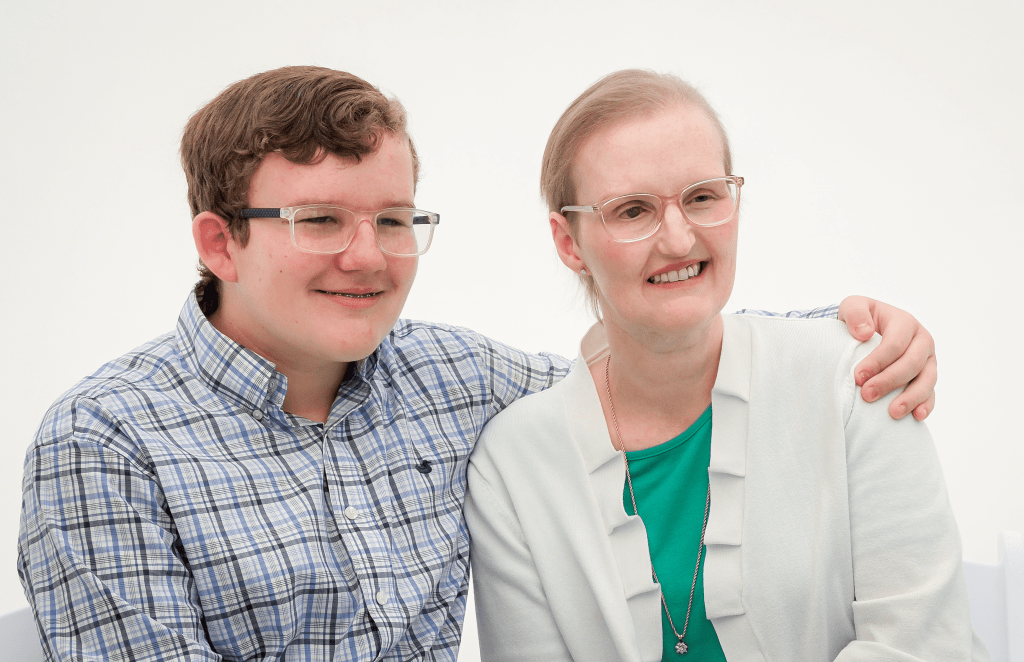
Although the trial brought risk and uncertainty with it, Hall says her choice to participate was clear – especially as a single mom with a preschool-aged son, Charlie.
“I asked Dr. Stringer-Reasor what the side effects would be, and she said she had no idea because there weren’t any treatments for my type of cancer and I’d be part of the first group on the trial,” Hall said. “But I was willing to try anything, because I had to be there for Charlie.”
Hall discovered that the side effects from the trial drugs were indeed harsh, particularly for the first few months. Still, she was determined to maintain a semblance of a normal life for her son, so she went on a beach vacation with family members not long after starting the trial.
“I couldn’t even walk to the beach by myself. I held my mom’s and sister’s arms, and they got me out there somehow,” she said. “Then, after being on the trial for four months, we went back to the beach, and I was able to walk down there by myself. It was absolutely amazing. The trial saved my life.”
A special connection
Hall has been on the antibody chemotherapy drug Enhertu for the past four years, and her follow-up scans have been positive. This has enabled her to continue being there for Charlie, who is entering the eighth grade.
Dr. Stringer-Reasor says she’s maintained a special connection with Hall.
“We were both young mothers when she enrolled in the trial, and over the years, I’ve had the privilege of getting to know her and her family,” she said. “Watching her son grow up has been a gift.”
Each year, Hall sends her a holiday card featuring the adventures and milestones her family has enjoyed together that year – moments that might not have been possible without advances in research and clinical trials.
“Receiving that card is truly the highlight of my year and serves as a powerful reminder of why we do this work,” Dr. Stringer-Reasor said.