


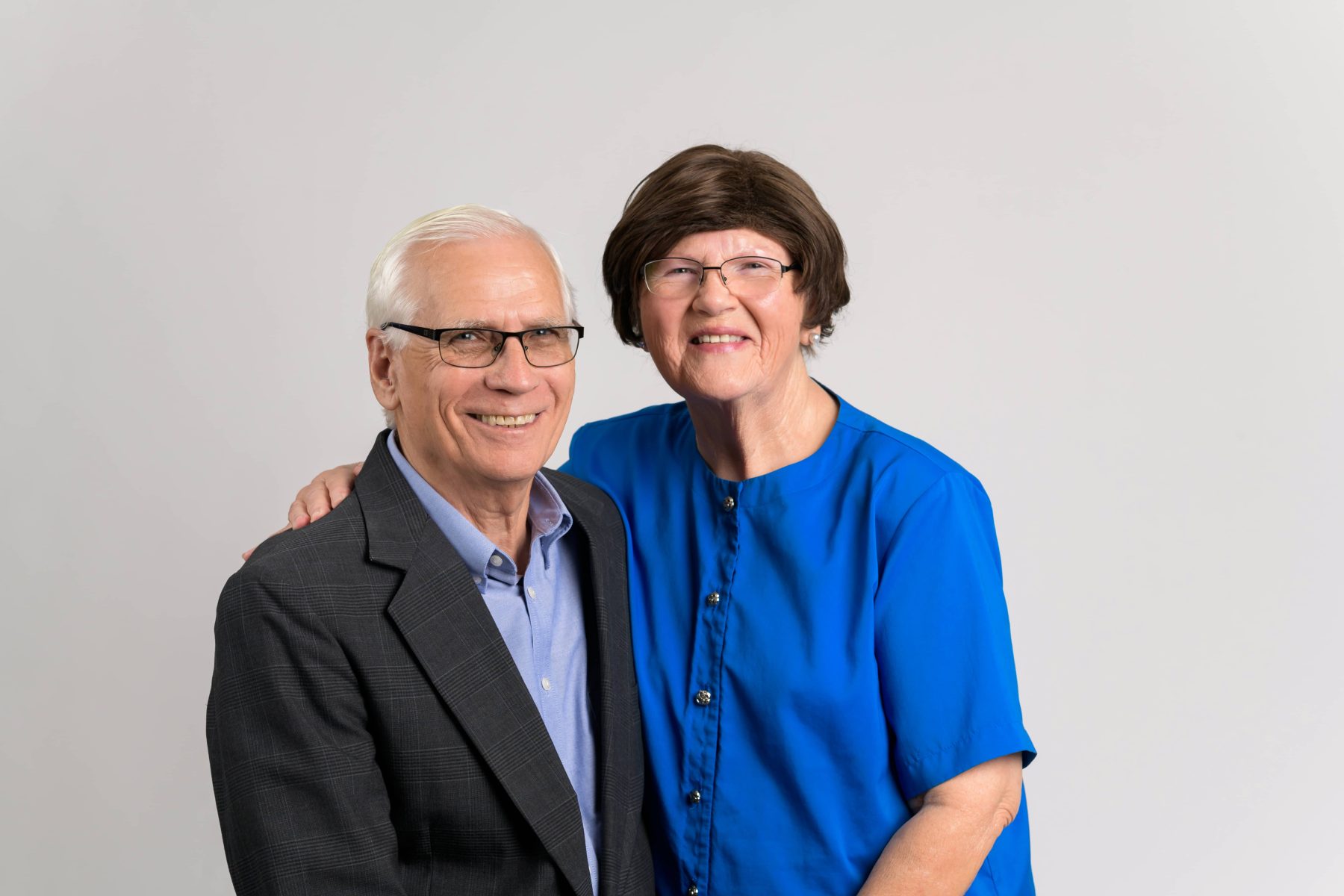
Linda Winters
When Linda Winters was first told she had a large tumor on her cervix that had been diagnosed as Stage 4 cancer, she admits, “it felt like a death sentence.” That was nearly seven years and an astounding 106 cycles of treatment ago.
“I’m still hanging around,” says Winters, a great-grandmother who is about to turn 76.
Much of the credit goes to a personalized treatment option that Winters received from Charles Leath III, M.D., director of the UAB Division of Gynecologic Oncology and Senior Scientist at UAB O’Neal Cancer Center. After a standard round of chemotherapy that eliminated much of the tumor, Winters began taking a combination of trastuzumab and pertuzumab, two drugs that traditionally have been used to treat breast cancer.
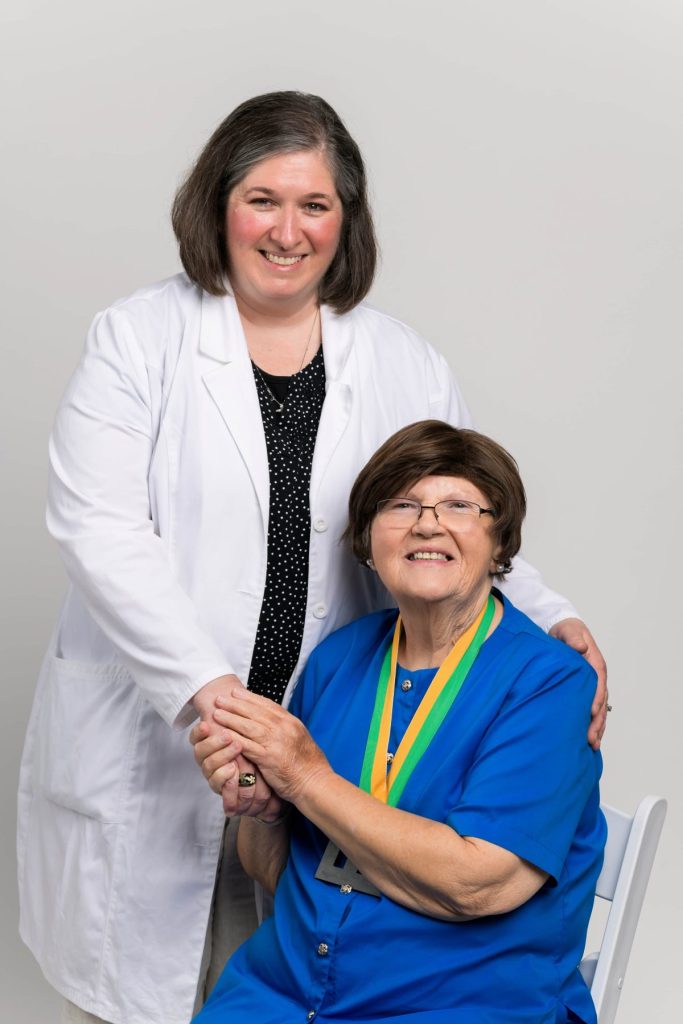
“These drugs target genetic mutations,” says Anna Wilbanks, MSN, RN, a research nurse manager for UAB Oncology clinical trials. “Her tumor acted more like a breast cancer tumor than an endometrial tumor. So these drugs have worked specifically for her to keep her cancer stable. It’s personalized medicine.”
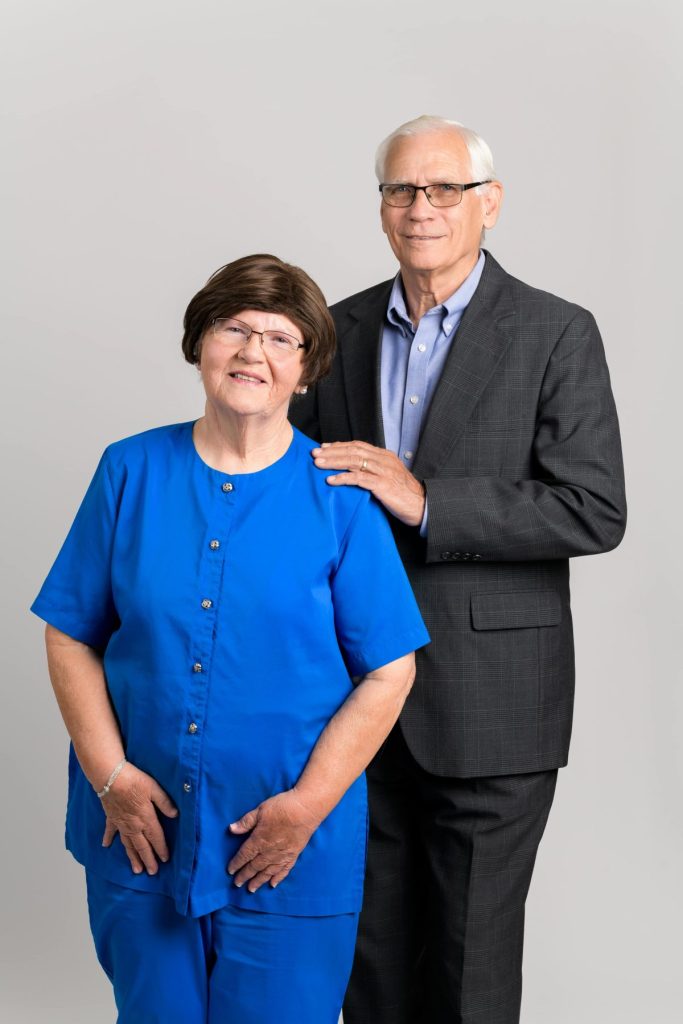
Winters and her husband make the two-hour round trip from their home in Northport to UAB once every three weeks for treatment. In addition, she undergoes an echocardiogram and a CT scan every three months for evaluation. It is a routine Winters has followed steadily since 2019.
“To be on a clinical trial for this long takes dedication from the patient,” Wilbanks says. “I give her a lot of praise, because she has been consistent. She comes when she is supposed to, and she communicates with the clinical team if she ever needs to miss an appointment. She has been very dedicated to this trial.”
Winters says one of the reasons she has been willing to continue the treatment for so many years is that the side effects have been relatively minor.
“It’s much different from the chemo. It’s a lot easier on your body,” Winters says. “Sometimes I’m a little more tired, but that may just be my age. Other than that, I’m basically able to do anything I was doing before (the cancer diagnosis).”
Of course, the main reason Winters has continued the treatment is because it’s working. She also credits the people at UAB with making the entire ordeal more tolerable.
“The encouragement I get from the doctors and the nurses and all the staff at UAB is wonderful,” Winters says. “They’re caring people who are concerned not only for the patients, but for the families also. I appreciate that so much. You need that kind of encouragement when you’re going through something like this.
“I’m also very appreciative of how diligently the doctors and researchers are working to find cures, and that they’re using the wisdom and skills they were given to do this. And most of all, I’m thankful that I’m still here after all this time.”