


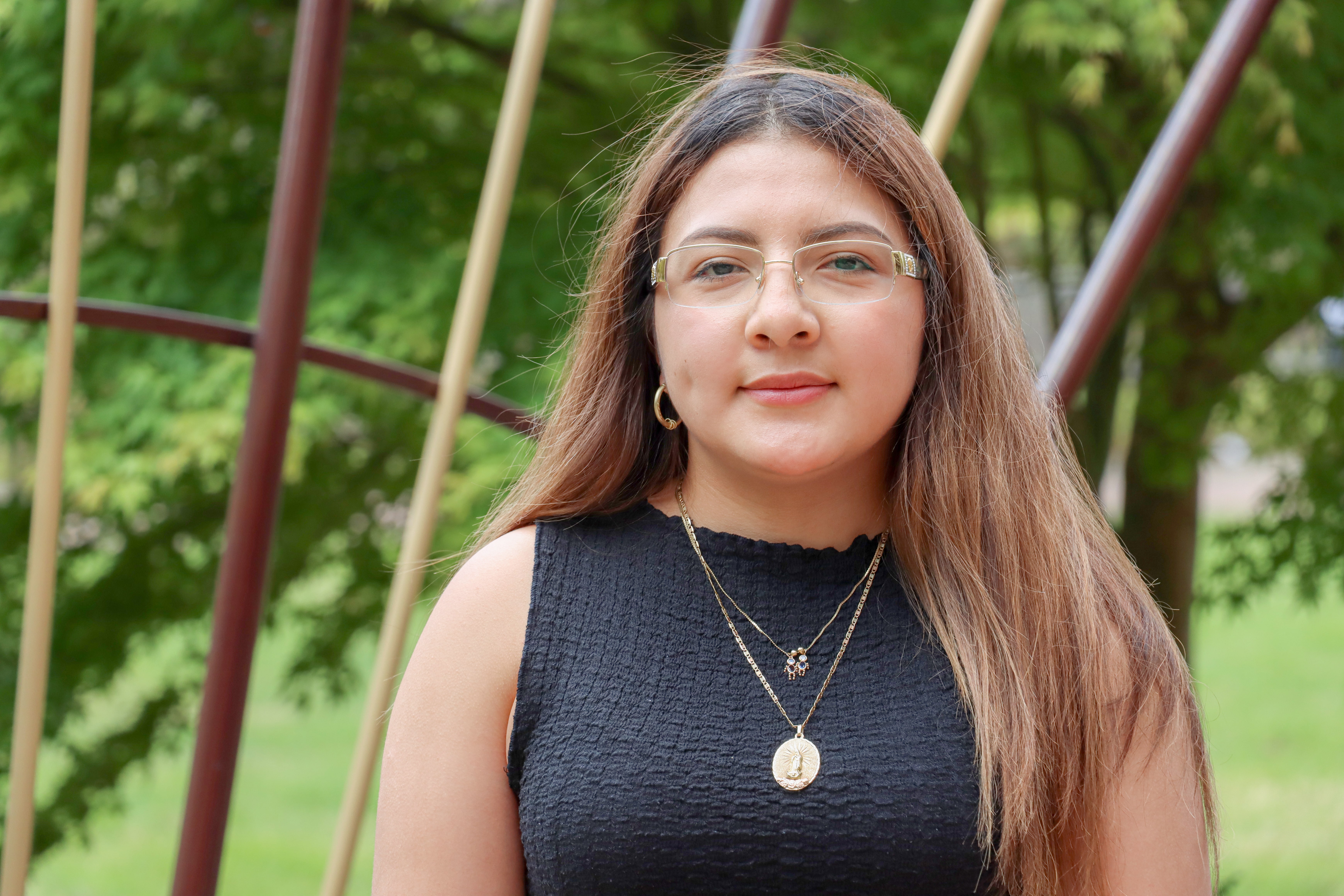
Karla Lopez
Iron Strong Awards 2026
Physician: Sravanti Rangaraju, M.D.
Cancer type: Acute lymphoblastic leukemia
Karla Lopez was diagnosed with acute lymphoblastic leukemia in 2023 when she was 23. She spent two months in the hospital, where she received five blood infusions and treatment for a blood clot. It was the beginning of a difficult cancer journey, but it was one she took control of by enrolling in a chemo-free clinical trial at the UAB O’Neal Cancer Center.
Following her initial stay at UAB Hospital, Lopez was unable to work, and she had to rely on her mother, brother, and other family members to take care of her two young children. She considered the difficulty of being treated with numerous rounds of chemotherapy and enduring the potential side effects. Also, she might need a bone marrow transplant if the chemo didn’t work.
“It was just one thing after another,” Lopez said. “I felt my world was crashing down on me.”
Testing an existing drug
UAB leukemia specialist Sravanti Rangaraju, M.D., told Lopez about a non-chemo clinical trial that treated patients with the immunotherapy drug blinatumomab. With this treatment, a patient’s own T cells are directed to locate and destroy the cancer cells.
The drug is already approved by the U.S. Food & Drug Administration (FDA) for use with patients who undergo the initial chemo treatments and then relapse. However, this particular trial would study whether the drug could be effective as a standard-of-care treatment in place of chemotherapy.
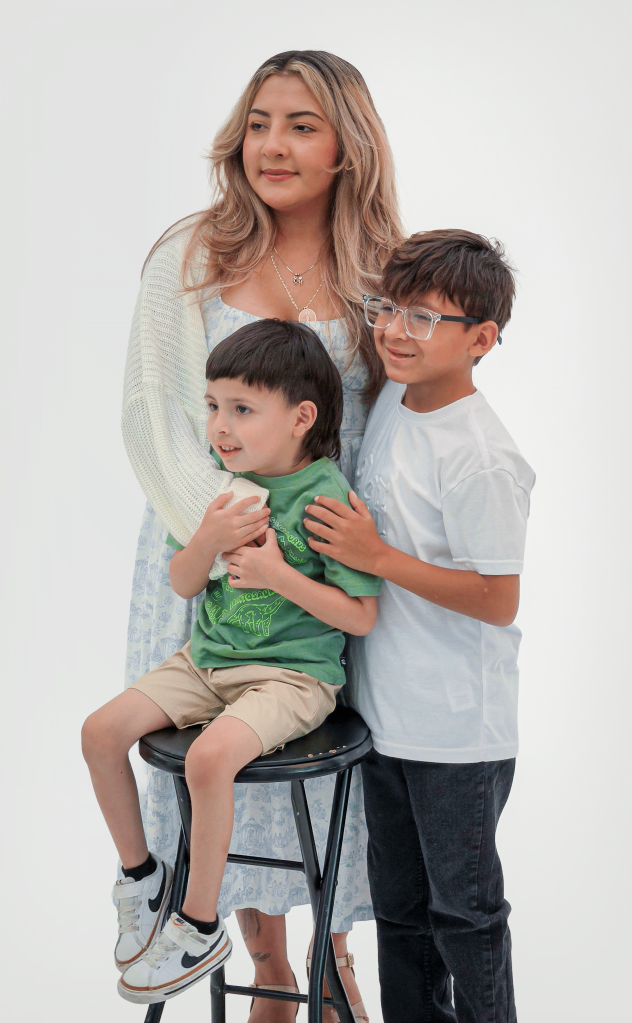
“For a young woman, chemotherapy can have an effect on your fertility and your appearance,” Dr. Rangaraju said. “Also, with this kind of leukemia, once people go into remission after chemotherapy, the leukemia still has a 90% chance of coming back. Then, the patients might have to receive a bone marrow transplant. But if you have an excellent response with this immunotherapy treatment, you can avoid the side effects that come with chemotherapy and avoid a bone marrow transplant.”
Lopez agreed to become one of the 480 patients worldwide to participate in the trial. Even though she had to stop participating early due to some minor complications, she received enough positive benefits that she was able to continue successful treatment with another drug.
One minor setback
Lopez says she had a minor setback in late 2024, when a small amount of cancer was discovered in her spine. But overall, her treatments worked as designed, and her cancer is now in remission.
“I’m starting to see the light at the end of the tunnel. I’m feeling great,” Lopez said. “I’m glad I did the trial, not just for me but for other people. I don’t wish this on anyone, but the next person who is in my shoes, I want to improve the medicine for them.”
Dr. Rangaraju says the study is now complete, and participants are being followed to see how they do.
“We hope to have the results in the next few years. It might change the way we treat this cancer for future generations, and immunotherapy would be the standard instead of chemotherapy,” Dr. Rangaraju said. “It’s very generous of people like her to participate in these studies, because it advances science tremendously.”