


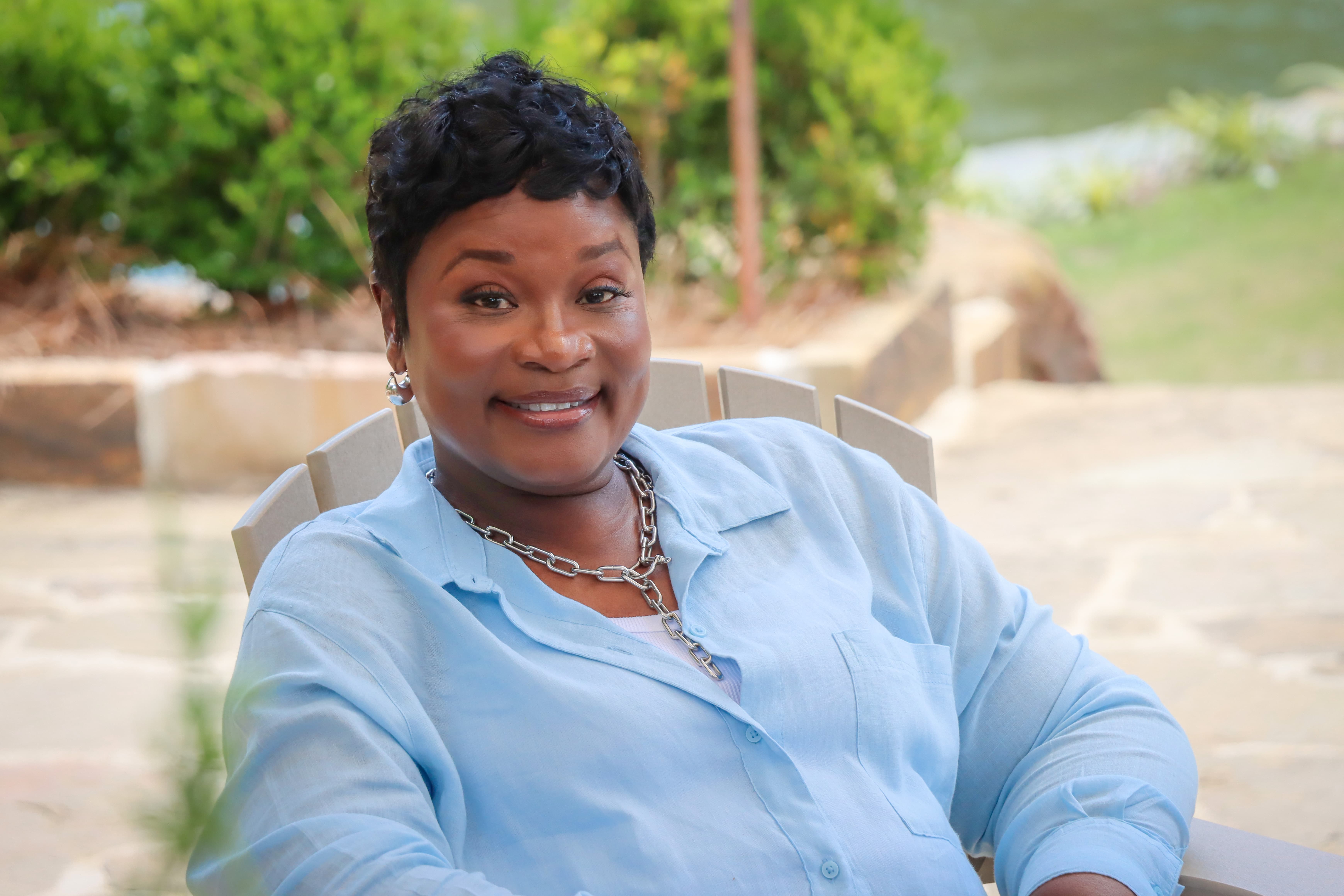
Yolanda Jackson
Iron Strong Awards 2026
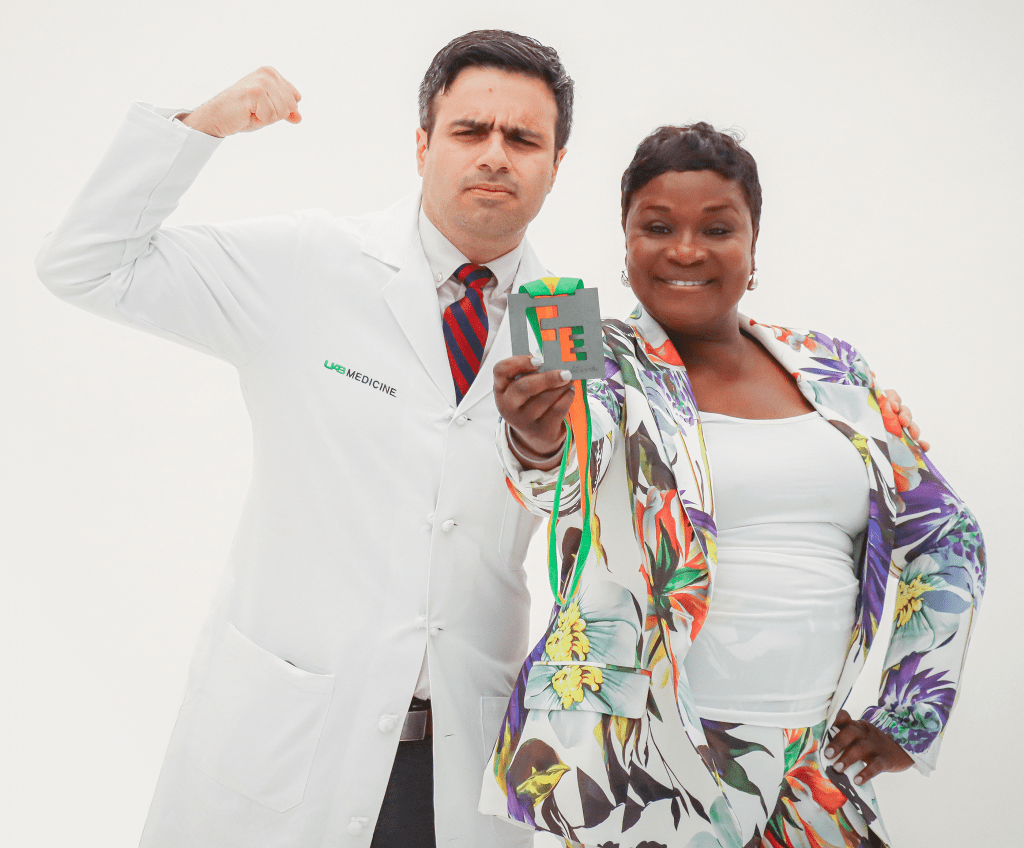
Physician: Syed Qasim Hussaini, M.D., and Robert Hollis, M.D.
Cancer type: Rectal cancer
Eight days after moving to Birmingham in 2005 from her hometown of Auburn, Ala., Yolanda Jackson was diagnosed with breast cancer – the first of three different cancer diagnoses she has now faced. For more than 20 years, she has relied on the experts at the UAB O’Neal Cancer Center for early detection, specialized treatment, and access to clinical trials.
“It was by the grace of God that I was already in Birmingham to receive my first cancer treatment,” Jackson said. “Just the magnitude of the facility and how thorough and meticulous they are at UAB – you get a level of comfort with that.”
BRCA1-positive
During her initial treatment for breast cancer, Jackson participated in genetic testing through UAB and learned that she was positive for the BRCA1 gene abnormality, which increases a person’s risk for developing several different types of cancer, including breast cancer. As a result, Jackson continued regular cancer screenings, even after her breast cancer went into remission.
Because of those screenings, doctors discovered her endometrial cancer in an early, more treatable stage in 2022. It required surgical removal only.
In April 2024, however, Jackson was diagnosed with locally advanced rectal cancer. It required an intensive treatment plan that included chemotherapy, radiation, and surgery.
“This one was the hardest by far that I’ve had to endure,” Jackson said. “I went through some tough treatments. But I’ve done so well since then because of the treatment that I’ve gotten at UAB. Even though I’m living in Auburn, I wouldn’t have wanted to go anywhere else.”
A specialized form of care’
Jackson’s surgical oncologist during this process, Syed Qasim Hussaini, M.D., says patients benefit from the comprehensive approach that the O’Neal Cancer Center takes in treating severe cases.
“Her treatment was a very specialized form of care that you don’t get at most places,” Dr. Hussaini said. “You need a medical oncologist, radiation oncologist, and surgical oncologist, all working together and communicating with each other, as well as nurses and a lot of people supporting behind the scenes.”
“Her care required close collaboration,” Dr. Hussaini continued. “The sequence of treatment, the timing, and the interpretation of response all matter. Those decisions are reviewed together, so the treatment plan itself is individualized rather than fragmented. Her success definitely reflects both her own perseverance and the coordinated work of all our people from the team.”
After completing her treatment, Jackson enrolled in a one-time, restricted-eating clinical trial for patients with rectal cancer. Its goal was to determine whether intermittent fasting can be beneficial during recovery.
“Out of suffering can come something wonderful,” Jackson said. “There are a lot of great minds at UAB collecting information and doing research that one day might help others.”