



O’Neal Iron Strong Awards – 2023 Honoree Testimonies
The medical discoveries of today become the standards of care for tomorrow. This transition is made possible by clinical trials, in which patients are treated with promising new therapies based on these research discoveries.
Every year, the O’Neal Cancer Center honors clinical trials patients at the Iron Strong Awards. These are the stories of the 2023 honorees.
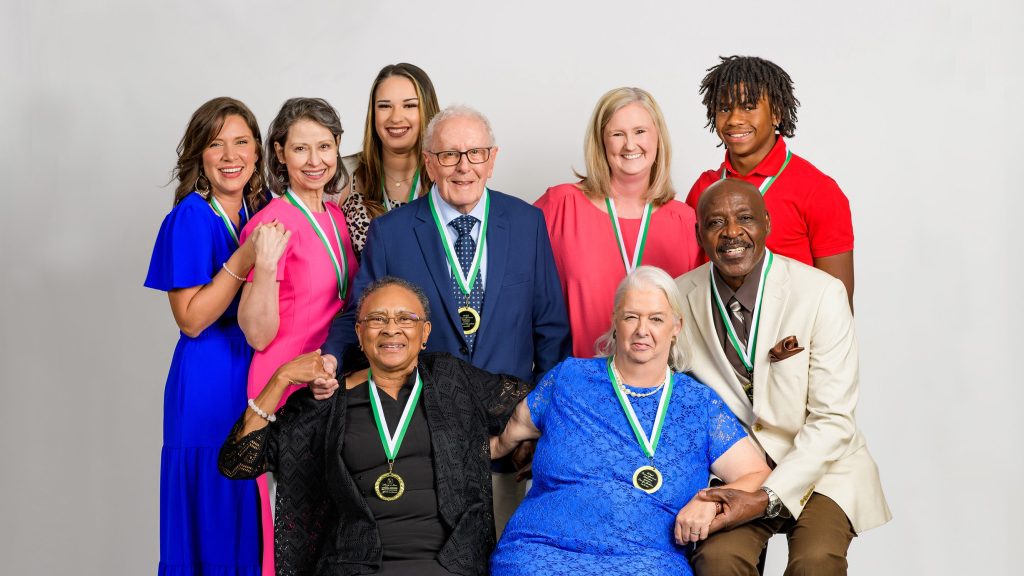
(Left to Right, Top: Stephanie King, Susan Stewart, Selena Avalos, Michael Humphries, Dana Hanshaw, Trevor Moultrie. Left to Right, Bottom: Lenora Johnson, Caroline Graham, Albert Isaac.)
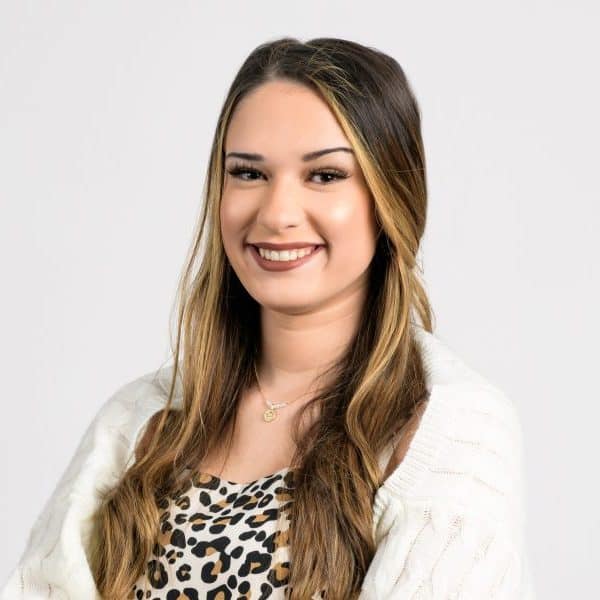
Selena Avalos
Physician: Julie Wolfson, M.D.
Cancer type: Hodgkin Lymphoma
There are still plenty of benefits to a clinical trial, even if it does not work out directly for the patient involved. Selena Avalos is proof of that.
In 2019, the day before Avalos was about to start her senior year at Lynn High School in Winston County, AL, she was diagnosed with Hodgkin lymphoma. Within days, Avalos and her mother met with UAB Medicine pediatric hematologist-oncologist Julie Wolfson, M.D., MSHS, to discuss the various treatment options available, including a clinical trial that was being offered through the O’Neal Cancer Center.
“I told my mom that I wanted to do the trial, because that’s how you find out what works best for people,” Avalos said.
Wolfson says the new medication was aimed more at reducing the side effects from traditional chemotherapy rather than improving the treatment outcome.
“Hodgkin lymphoma in general is one of the cancers that we have very good success in treating,” Wolfson said. “The medication that had traditionally been used is one of the oldest and most effective drugs we’ve had for something like this. But we’ve always wanted to figure out how to replace it, because it had some significant side effects.”
Unfortunately, Avalos experienced a negative reaction to her initial treatment with the new therapy. Her stomach tightened almost immediately after receiving the drug, and she began having trouble breathing. “It happened really fast,” she recalled.
So, Avalos was taken off the experimental drug and instead went through regular chemotherapy. She was able to enjoy a relatively normal senior year of high school. “After just my first few treatments, a lot of my cancer was already gone,” Avalos said. “Dr. Wolfson and the radiologist couldn’t believe how quickly it was working.”
Although Avalos ended up receiving traditional chemotherapy treatment, she remained part of the trial, and Wolfson says there was still significant value in following her progress.
“She was on study but off protocol therapy,” Wolfson said. “Basically, this means we’re following the patient and she’s still contributing data, but we’re not using that study’s treatment anymore. But we’re still comparing the standard treatment to the newer treatment.”
Ultimately, the study was published in The New England Journal of Medicine. “Everybody who participated in this study helped advance the standard of care,” Wolfson said. “The older medicine is no longer standard. It is now standard to give this new targeted medicine. And every patient who participated in that study made that possible.”
Avalos quicky went into remission without using the new treatment, yet she has no regrets about going through the clinical trial process. “I’m still glad I tried it,” Avalos said. “If it wasn’t for people who are willing to take that step and see what happens, the doctors wouldn’t know the best route to go.”
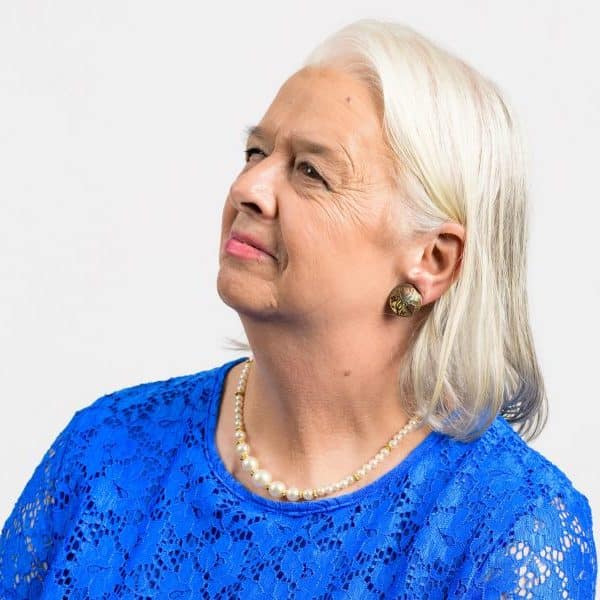
Caroline Graham
Physician: Rebecca Arend, M.D.
Cancer type: Carcinosarcoma
Carolyn Graham has been living with carcinosarcoma for six years. Today, it’s more like the cancer is living with her, thanks to treatment she received through a clinical trial at the O’Neal Cancer Center.
“My cancer has not grown in over two years,” Graham said. “It’s just sitting there like, ‘Here I am. I’m just going to stay here.’ If it’s not growing, that’s good.”
This definitely is an improvement from the early years of Graham’s cancer struggle. A CT scan in 2017 revealed that a carcinosarcoma had spread and a mass had attached to her intestines. UAB Medicine surgeon Sushanth Reddy, M.D., removed the mass, then Graham began seeing Rebecca Arend, M.D., an associate scientist at the O’Neal Cancer Center and co-director of the Experimental Therapeutics Research Program, for further treatment.
Six cycles of chemotherapy and 25 rounds of radiation shrunk the tumor but did not eliminate it. So, Arend conducted molecular testing and discovered that the mutation was in a Wnt signaling pathway, which just happened to be a focus of study in Arend’s lab.
Arend suggested that Graham take part in a Wnt modulator clinical trial she is leading as the national principal investigator. It required Graham to travel every other week to Birmingham from Talladega, AL. – where she’s worked for 38 years at the Alabama Institute for the Deaf and Blind – for a 30-minute session to receive the treatment provided through the clinical trial.
“Within two months, I could tell it was helping me,” Graham said. “It doesn’t knock me down like that strong stuff did. I can take care of myself, do housework, get around. My body’s not breaking down with it. It doesn’t make me sick, and my hair doesn’t fall out. It’s really kept my body going.”
In fact, the clinical trial might have done much more than that. Arend says it probably helped keep Graham alive.
“This is a type of aggressive cancer that she likely would have died from several years ago,” Arend said. “Instead, everything has been completely stable for the last few years. This is an example of personalized medicine for a rare type of tumor. It’s the culmination of several things that came together in a very well-tolerated drug.”
Since the carcinosarcoma has not gone into remission, Graham still must make the regular trip to UAB Medicine for treatment. Following the death of her husband last year, Graham says she has turned to her younger sister and a few good friends to drive her to Birmingham.
Other than that, Graham says she continues to take care of herself and has plenty of living left to do. If the cancer wants to tag along, then that’s OK.
“I don’t sit around and grieve about it and moan, ‘Oh, I got cancer.’ I’ve got a bucket list, and I still want to do it,” Graham said. “I want to take the train that runs through the Tennessee mountains. That’s always been a dream of mine. I’m going to keep myself going.”
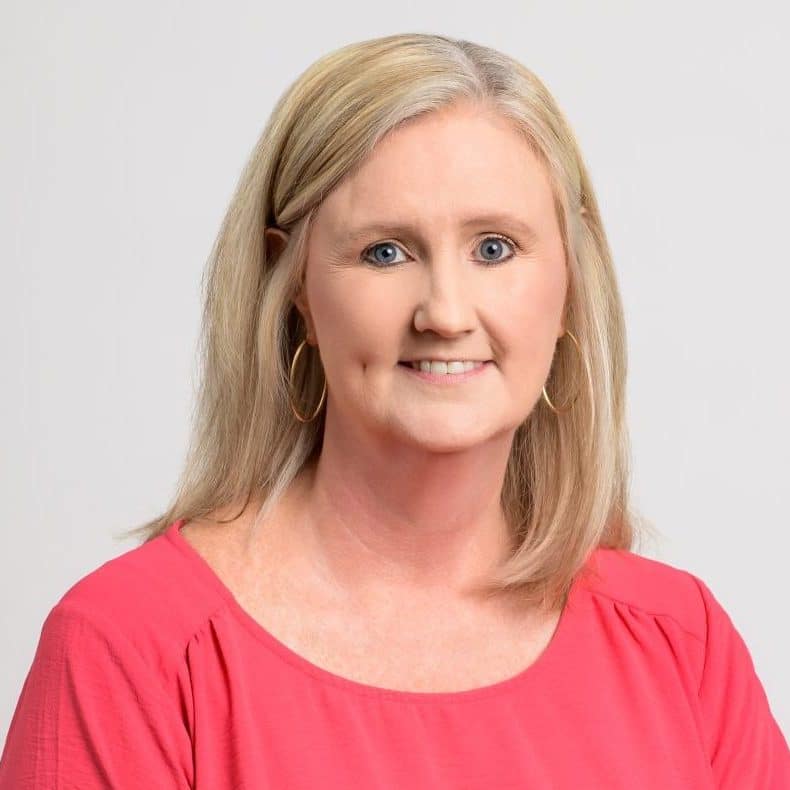
Dana Hanshaw
Physician: Pankit Vachhani, M.D.
Cancer type: Chronic Myeloid Leukemia
Two years after being diagnosed with chronic myeloid leukemia, Dana Hanshaw was running out of options and running low on hope. She had tried a half-dozen different medications to combat the disease, with no positive results. A bone marrow transplant loomed as a last-ditch possibility.
“I was frustrated with myself because my body wasn’t responding to the normal regimen of medications,” Hanshaw said. “I started getting depressed. You begin thinking about whether you should start making plans for a terminal illness and all those morbid things.”
Under the guidance of oncologist Pankit Vachhani, M.D., an associate scientist at the O’Neal Cancer Center, Hanshaw agreed to enroll in a clinical trial. It was a step she’d resisted for several months.
“She was very hesitant initially to go on anything that was experimental in nature,” Vachhani said. “We explained that there is still a research process to this and that it’s done in a very safe manner. It took a couple of months for her to become convinced that this would be a good and reasonable thing for her to do.”
The results have been remarkable. Hanshaw began taking the clinical trial medication in March 2022, and her tumor marker numbers quickly started coming down. Barely a year later, her blood work showed no signs of cancer.
“Without going on the clinical study, she very likely would have required a stem cell transplant,” Vachhani said. “This drug has allowed her to continue her life without any limitations and achieve one of the best responses possible.”
In addition to being overjoyed about the results of the trial, Hanshaw was pleased by the relative ease of the process. After a few days of bloodwork and an initially strict regimen for taking the medication, she says things “settled down,” and the only requirements were periodic visits with Vachhani and a biopsy every six months. Best of all, she experienced only mild side effects.
“I’ve never missed a day of work during all of this, except for the days I had to do the testing and the biopsy,” Hanshaw said. “I’ve just kept on going, doing my normal activities. Other than when I have to take my two little pills, most of the time I don’t even think about it.”
As a result, Hanshaw has become a firm believer in the value of clinical trials. She credits Vachhani’s calm, caring approach to the situation for helping convince her that it was indeed a safe, viable option.
“Dr. Vachhani is fantastic. He made me feel comfortable about going through the trial and taking the medication,” Hanshaw said. “I don’t know if I would have done it otherwise. But I felt so comfortable with him and knew he wouldn’t suggest something he didn’t feel was worth a try. He gave me his cell phone number. He texts me and calls to check on me. He’s always available when I come to the clinic. If I hadn’t had that type of relationship with him, I would have been more skeptical. I can’t say enough good things about him. It’s obvious that he truly cares.”
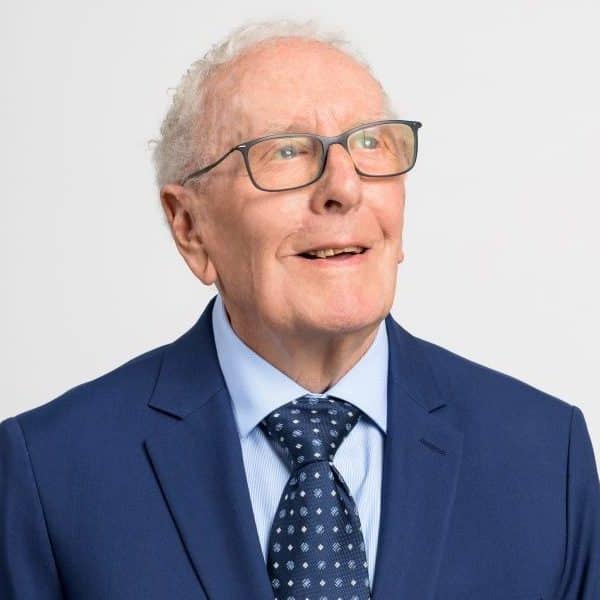
Michael Humphries
Physician: Amitkumar Mehta, M.D.
Cancer type: Mantle Cell Lymphoma
Three occurrences of mantle cell lymphoma and two clinical trials didn’t slow down Michael Humphries. Despite battling lymphoma for over 20 years, he rarely missed a day of work on his job as a machinist with Multimetco Inc. in Anniston, AL. In fact, he didn’t fully retire until the age of 84.
“I’ve really led a normal life,” Humphries said. “I took a day or two off here or there for the clinical trials, but other than that I kept working.”
Humphries originally was diagnosed with mantle cell lymphoma following a routine colonoscopy in 2002. He went through standard chemotherapy treatment, and the cancer went into remission. When it returned in his cheek in 2008, he entered his first clinical trial. The trial involved two treatments each month, and he went into remission again after eight months. He remained cancer-free for more than a decade before it returned in 2020, this time in his throat.
“When a cancer comes back, especially an aggressive cancer like this, your treatment options get limited, particularly in that age group,” said Amitkumar Mehta, M.D., then medical director for the Clinical Trials Office at the O’Neal Cancer Center, director of the Lymphoma Program, and the physician who treated Humphries. “You really have to pick the treatment very carefully, because as you get older, the chances of side effects get very high – especially with chemotherapy.”
Mehta encouraged Humphries to enroll in a second clinical trial, this one involving targeted therapy and next-generation immunotherapy. Now nearly a year ago, Humphries went into remission for the third time in two decades.
“Essentially, this immunotherapy engages your immune system more in fighting the cancer,” Mehta said. “In addition to the positive response, he’s had minimal to no side effects with the treatment. That is an important part of this immunotherapy. The side effects are not like with aggressive chemotherapy, and you can still have a quality of life. At this age, quality of life is the most important factor in decision-making about cancer treatment.”
Mehta says Humphries maintained a positive attitude throughout his treatment, in part by staying informed about clinical trials and approaching them with confidence rather than concern.
“He wanted all the information so he could make the best decision,” Mehta said. “He saw that there was potential for his cancer to respond to this treatment, so he went into it with optimism. He has been great. He asks all the right questions. He’s involved in his care. And the most important part, he was still working until recently. Even at his age, he kept working while in treatment. That helps give you a positive attitude overall.”
Humphries says his positive experience with UAB Medicine and the O’Neal Cancer Center helped him maintain that optimism.
“Dr. Mehta and the nurses who gave me the treatment have all been very good,” Humphries said. “I have no complaints about UAB at all. They’ve given me a normal life.”
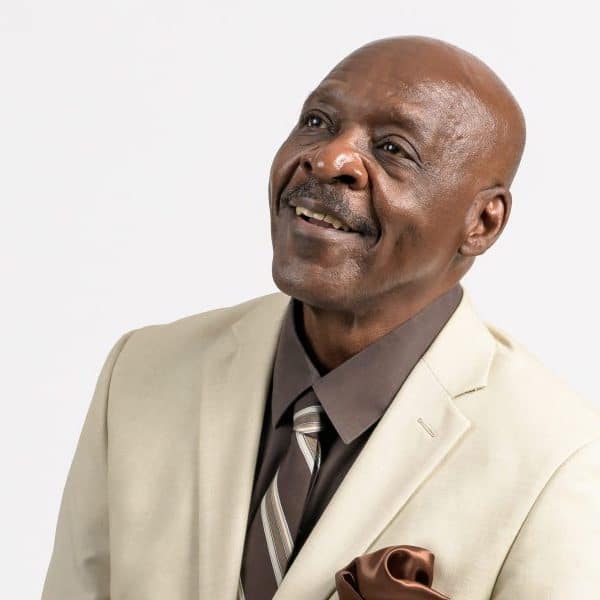
Albert Isaac
Physician: Luciano Costa, M.D.
Cancer type: Multiple Myeloma
Albert Isaac has had many reasons to give thanks ever since he collapsed in his front yard while his wife was inside preparing New Year’s dinner. Primarily, he is thankful for the results he received after going through a clinical trial.
Isaac says it seemed he was incapacitated for about 45 minutes that December afternoon in 2017. When he finally was able to stand up, go inside, and tell his wife what had happened, she immediately took him to the UAB Hospital-Highlands emergency room. After undergoing tests there, Isaac was transferred by ambulance to the main UAB Hospital.
“That’s when I first realized that I must be really sick,” Isaac said. “Any time you leave one medical facility in an ambulance to go to another facility, something is very, very wrong.”
It turned out that Isaac had multiple myeloma, a type of cancer that was causing him intense bone pain. He met with UAB Medicine hematologist Luciano Costa, M.D., Ph.D., a scientist at the UAB O’Neal Cancer Center. Costa described the various treatment options available, including participation in a clinical trial.
“I kind of balked about it at first, but I talked it over with my wife and agreed to become part of it,” Isaac said. “The thing that amazed me was how quickly I got in. It only took a couple of days.”
Isaac actually went through two clinical trials. The initial treatment worked for four years, then when the myeloma began growing again, Isaac discovered he was eligible for a new trial.
“Mr. Isaac is a veteran and could have received care at the Birmingham VA hospital, but he decided to stay at UAB to participate in the clinical trial,” Costa said. “He was among the first patients in the United States to receive a new type of immunotherapy as part of the initial treatment for myeloma. He did very well and achieved an excellent response.”
“When his myeloma started progressing four years later, a clinical trial was again an option,” Costa continued. “Fortunately, in the four years since his first diagnosis, the field had advanced and we had yet another modality of immunotherapy in testing. He has done very well on it and achieved a complete remission. His treatment now consists of an injection every four weeks.”
As far as Isaac is concerned, that is an extremely small price to pay for the results he’s experienced from his clinical trial participation.
“It was the best thing that could have happened,” Isaac said. “I got my life back. My wife and I can enjoy the life we had before my diagnosis. We can travel. I can work on my car and my house, all these different things. My wife is humming and singing. Life is really good.”
“If it hadn’t been for the goodness and mercy of God, my wife, Costa and his team, I don’t think I would have survived,” Isaac added. “It was very, very positive. People don’t realize that these types of treatments are available and how good they can be. It really changed my life.”
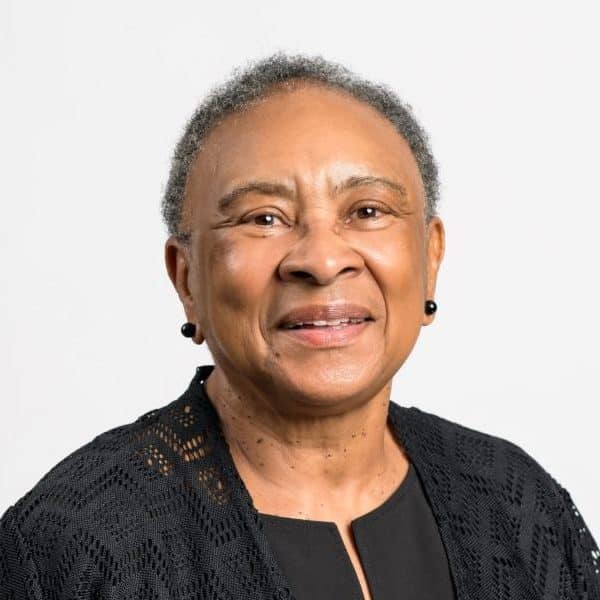
Lenora Johnson
Physician: Luciano Costa, M.D.
Cancer type: Multiple Myeloma
In 2019, Lenora Johnson faced one of the most difficult decisions of her life. She had been diagnosed with multiple myeloma at age 75, and her situation was so serious that her local physicians in Jackson, MS, recommended that she enroll in an out-of-town clinical trial.
Johnson wasn’t necessarily excited about the concept, and the closest place conducting the type of trial she needed was nearly 250 miles away at the O’Neal Comprehensive Cancer Center. Facing so much uncertainty, Johnson did what she often does in such situations – she prayed about it.
“Then it just dawned on me that if the trial doesn’t help me, it might help the younger generations after me,” Johnson said. “I’ve always been the type of person who wants to help in whatever way I can. This was that opportunity, for me to use the body I’ve been given for a very positive reason.”
Johnson says many prayers have been answered since then, as her cancer situation is steadily improving, though it hasn’t been easy. In addition to numerous eight-hour, roundtrip car rides between Jackson and Birmingham – sometimes as often as once a week – Johnson has had to endure some intensive treatment sessions.
“Despite her age, she knew that with her good health she could tolerate a more ambitious therapy,” said hematologist-oncologist Luciano Costa, M.D., Ph.D., a scientist at the O’Neal Cancer Center. “She participated in a UAB-led trial with intense combination therapy and autologous stem cell transplant, a treatment often reserved for much younger patients.”
“She did very well, but she had minute amounts of myeloma that evolved over time and needed more therapy,” Costa continued. “So, she came back to UAB and joined another clinical trial with an experimental new T-cell engager. She made the decision to pursue this novel therapy despite the inconvenience of traveling. She had an excellent response and tolerance to treatment and is doing very well.”
Johnson admits that there were moments during the long car rides when she wondered if it was all worth it. “You’re just kind of floating around,” Johnson said. “You’re thinking, ‘Oh well, this is another week, let’s see what’s going to happen.’ But then I got to UAB, and everybody treated me so well from the beginning. The encouragement of everyone I met at UAB helped me and allowed me to look at things a little bit differently – like I needed to keep pressing, to keep going. You need people in your life who can encourage you.”
Though Johnson is not completely in remission, she says all her numbers are trending in the right direction and that things are “looking much better.” Regardless of the outcome, she says taking part in the clinical trial was the correct decision for her.
“My hope and prayer is that no matter what happens to me, doing this trial will help somebody else go into remission,” Johnson said. “I don’t know what the end result is going to be, but I trust God, who does. I do know that it’s been an adventure.”
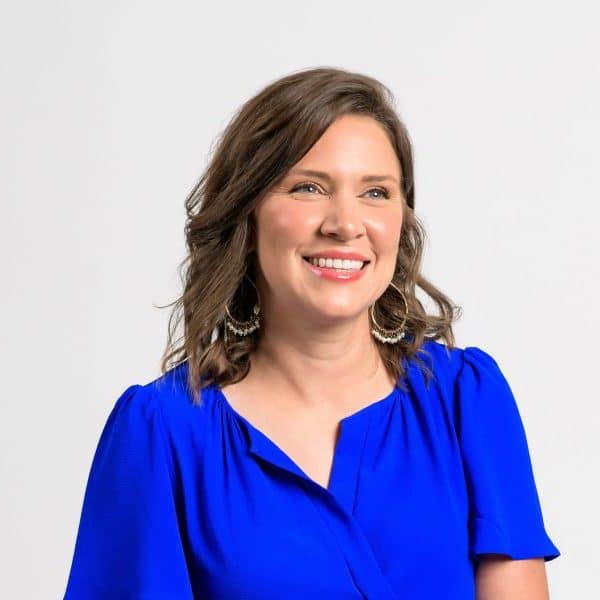
Stephanie King
Physician: Burt Nabors, III, M.D.
Cancer type: Tumor in Right Temporal Lobe
When Stephanie King was offered the opportunity to participate in a clinical trial to treat her brain tumor, at first she envisioned the worst.
“I thought I was going to be someone’s lab rat,” King said. “It was a little scary to think that this is untested and they don’t know if it’s going to work. But everything up to that point had been scary. When they tell you that you have a brain tumor, it feels like your whole world has been pulled from under you. It’s the scariest of scary. I was thinking that my kids aren’t going to have a mom and my husband will be a widower.”
Shortly before her 34th birthday, King was diagnosed with a grade 2 astrocytoma tumor (glioma) in her right temporal lobe. It is one of the leading causes of cancer deaths among young people. Surgery late in 2019 shrunk the tumor, but it couldn’t be removed without cutting out part of her brain.
At that point, UAB Medicine neuro-oncologist Burt Nabors, M.D., told King the best option would be to wait to see if the tumor began to grow again before diving into chemotherapy and radiation. If nothing changed after a year, she could begin the clinical trial, a study involving an IDH (isocitrate dehydrogenase) inhibitor taken as a daily oral therapy.
“There was no reason not to try it, because if we were going to watch and wait anyway, at least I could watch and wait while still trying something,” King said.
In this trial, half of the participants received a placebo. If their tumor began to grow, however, they would be given the option to switch to the actual drug. That’s what happened to King, and she began active treatment last year. Since then, not only has the tumor stopped growing, King’s most recent MRI showed slight shrinkage.
“She now has a controlled disease,” said Nabors, the inaugural holder of the William Austin Brown Endowed Professorship for Brain Cancer Research. “It may not make the tumor go away, but the goal is to keep it from growing. The results of the study (published in The New England Journal of Medicine in June 2023) were fairly dramatic, in that those who received the drug had a significant delay in the need to go on to additional treatment.”
“Stephanie has done a lot to advance the care for brain cancer patients, because this drug will wind up being FDA-approved and available to everybody,” Nabors continued. “It was a very impactful study, one of the most impactful in my career. It will change the way we treat patients in their 20s to 40s who have this cancer.”
King certainly appreciates the broader impact of the trial, but she is overjoyed by what the results have meant for her personally.
“I’m so grateful for this trial – my life would be so different without it,” King said. “I can live a normal life. Nothing about me screams that I have cancer. I wouldn’t even know, except for the fact that I know. Other than that, I’m perfectly normal and healthy and have no complications.”
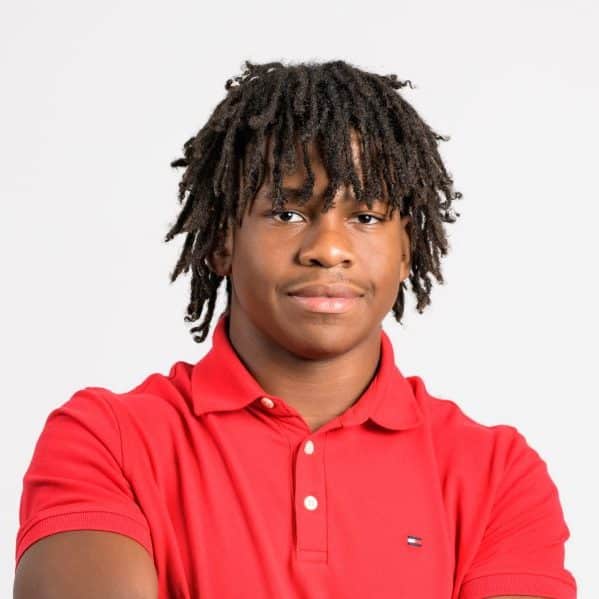
Trevor Moultrie
Physician: Raymond Watts, M.D.
Cancer type: Leukemia
It was a diagnosis that would shock any parent: “Your child has cancer.” Those four small words felt like four tons of weight to Terrance and Sherri Moultrie.
The Moultries first heard those words in 2007 when their 15-month-old son, Trevor, was diagnosed with acute lymphoblastic leukemia (ALL). Terrance says the immediate moments after that were a complete blur.
“When the doctor told us Trevor had leukemia, it felt like we’d hit a brick wall. It was devastating,” Terrance recalled. “I was trying to control my emotions in the room, but when I stepped out to call my family, I was just a ball of tears. I couldn’t really process what in the world was going on.”
However, it didn’t take long for the Moultries to realize that there was a positive side to the diagnosis: The remission rate has improved from barely 50% in the 1970s to as much as 96% in recent studies. That gave the Moultries hope and a reason to enroll Trevor into a clinical trial for his treatment.
“The reason the cure rate is so high now is because of the research that has been done before,” Terrance said. “My wife and I realized that we wanted Trevor to be cured and healthy, but we also wanted to have those who come behind us benefit from the research that we provided through him.”
Under the guidance of now-retired pediatric hematologist Raymond Watts, M.D., Trevor entered into an ALL clinical trial through the O’Neal Cancer Center. Terrance says his son experienced hair loss and moodiness, with a couple of potential setbacks. In one case, it briefly appeared that the cancer might be growing again. But after 3.5 years of aggressive treatment, Trevor was declared cancer-free. Currently he is 17 years old and a junior at Hewitt-Trussville High School.
“Trevor has beaten every challenge thrown his way pertaining to this,” Terrance said. “He’s healthy, he’s excited about life. He’s good in sports and plays football. He’s also very aware of what he went through and of the importance of giving back and trying to help other people.”
Actually, by going through the ALL clinical trial, Trevor already has helped others. According to UAB Medicine pediatric hematologist-oncologist Julie Wolfson, M.D., MSHS, the trial helped change the approach to standard-of-care monitoring for leukemia.
“This study helped us understand so many things about treating children with ALL, but one important thing was about how we could get to a more nuanced way of classifying children according to how high-risk their disease is,” Wolfson said. “For example, we used to do a lot of bone marrow procedures throughout treatment. But this study established a much more specific way to look at the way a child’s leukemia was responding to treatment. This has helped change the field in terms of how we treat these patients.”
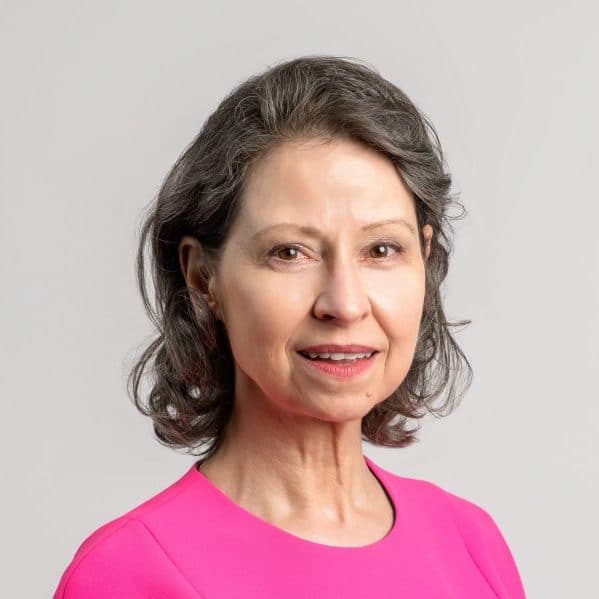
Susan Stewart
Physician: Warner Huh, M.D., FACOG, FACS
Cancer type: Stage 4 Endometrial Uterine Cancer
In 2019, Susan Stewart was diagnosed with stage 4 endometrial uterine cancer and given six months to live. Six months later, after enrolling in a clinical trial involving the use of an immunotherapy treatment, Stewart’s cancer was greatly reduced.
When the cancer started growing again a few months later, the information gained from her participation in the trial led UAB Medicine gynecologic oncologist Warner Huh, M.D., senior scientist at the O’Neal Cancer Center, to recommend a different immunotherapy. That “educated guess,” as Stewart calls it, also worked, and she is in remission currently.
“By being in the clinical trial, I benefited twice,” Stewart said. “First was the great reduction in my cancer from the treatment. The second was when it informed Huh’s decision to put me on a certain immunotherapy. Enrollment into the trial was a gift that changed the course of my life.”
Stewart says the parameters of the initial clinical trial “seemed to be written specifically for my cancer,” and Huh agrees with that assessment.
“To have a trial that fits her rare type of cancer was really uncommon,” Huh said. “I thought it was an enormous opportunity for her to have access to this type of therapy right here in Alabama. She’s not in the trial anymore, but it was a huge stepping stone for getting her to where she needs to be. She currently has an extraordinarily well-controlled cancer.”
Because of the dire prognosis Stewart received in 2019, she was not hesitant about participating in a clinical trial. In fact, she thought it was a wonderful opportunity.
“My husband and I were thrilled for me to be enrolled in that,” Stewart said. “It meant I was going to be getting state-of-the-art treatment that would be less harsh than conventional chemo. It meant that the health benefits and side effects would be closely monitored. And I was going to be participating in something that others may benefit from.”
Indeed, the nature of clinical trials means that patients are closely observed and monitored, helping ensure that the level of care is not reduced.
“We pay such close attention to the patients in terms of how they’re tolerating the drug and the therapy, making sure they’re responding well,” Huh said. “This process was transformative for her in terms of her overall clinical experience. When it came to improving her quality of life, the trial afforded her things that I don’t think she could’ve wrapped her mind around at the beginning.”
Stewart’s mind is much more at ease now, as she has experienced firsthand the benefits of clinical trials and the care provided at UAB Medicine.
“The UAB Medicine Oncology Clinic is superior, bar none,” Stewart said. “Not only was I being treated, but I was also educated on which symptoms are serious, which ones aren’t, and how to manage the symptoms. You learn how to take care of yourself with cancer. Instead of just treating the illness while you’re there, they are also treating the patient and the family in an ongoing collaboration.”