




O’Neal Iron Strong Awards – 2024 Honoree Testimonies
The medical discoveries of today become the standards of care for tomorrow. This transition is made possible by clinical trials, in which patients are treated with promising new therapies based on these research discoveries.
Every year, the O’Neal Cancer Center honors clinical trials patients at the Iron Strong Awards. These are the stories of the 2024 honorees.
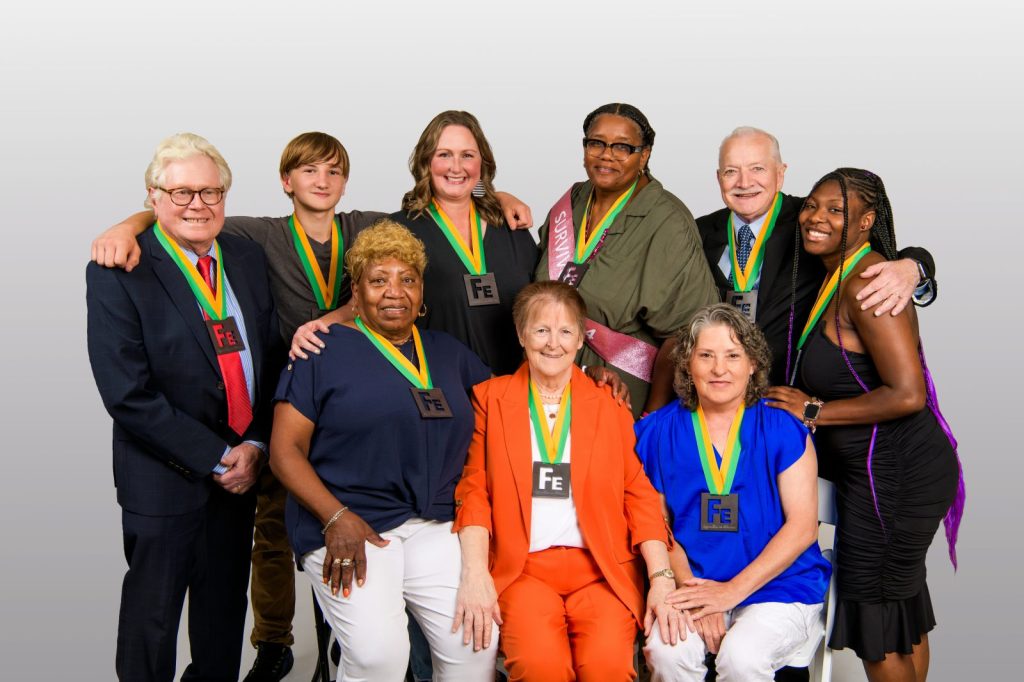
(Left to Right, Top: Tom Michaels, Hunter Creamer, Becki Quinn, Tara Ransom, Fred Halstead, Iyanla Chaney. Left to Right, Bottom: Dorothy Brown, Debby Davis, Lisa Williams.)
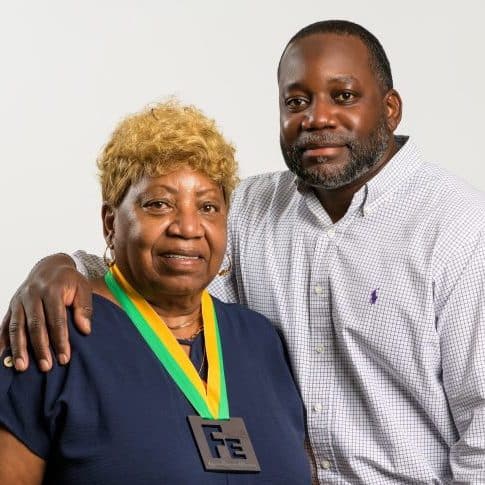
Dorothy Brown
Physician: Luciano Costa, M.D.
Cancer type: Multiple Myeloma
Over the past eight years, Dorothy Brown has discovered that chicken soup can indeed be good for the soul. And, that a clinical trial can be good for the body.
After enduring several bouts of severe pain around her lower back and waist in 2016, Brown was diagnosed with multiple myeloma, a blood cancer than develops within bone marrow. Her initial treatment plan involved a stem-cell transplant, a procedure that left Brown with a swollen throat and no appetite to the point that she had to receive fluids and nutrients through an IV.
“I just didn’t want to eat anything,” Brown recalls. “When I finally went home, my daughter made me a can of chicken noodle soup. I told her that I didn’t want any, but she said, ‘Mama, take a couple of sips just for me.’ Well, that was the best chicken noodle soup I’d ever had in my life. I ate the whole can, and that’s when my appetite starting coming back.”
Under the direction of UAB hematologist and medical oncologist Luciano Costa, M.D., Brown received a standard cancer medication for two years that kept her condition under control. When that treatment began to falter, she switched to a different medication that once again was effective for two years.
That was when Costa suggested enrolling Brown in a clinical trial in order to try a new medication. Brown previously worked as a nurse in the UAB Emergency Department and knew the types of questions to ask before agreeing to participate. After a brief period of hospitalization at the UAB Women & Infants Center for observation, she returned home and has been stable ever since with limited side effects from her monthly visits to UAB for continuing treatment.
“When I presented her with the opportunity of taking a new drug, we had known each other for several years and trust had been well established,” Costa says. “We discussed the treatment options, and she decided to participate in the clinical trial. She has done incredibly well. She comes in for an injection that has no major side effects, and then she goes on with her life.”
It is a life that, at age 73, includes attending both graduations and weddings and spending time with her children and her grandchildren. Brown credits the clinical trial with allowing her to enjoy all these activities while keeping her pain-free.
“I feel good. I do everything I’ve always done, I’m just a little bit slower,” Brown says with a laugh. “There’s been some ups and downs, but overall, I’m very satisfied. The treatment has been excellent. And everybody at UAB has been wonderful. When I walk in for my treatment each month, they all know me by name. I just love all of them and appreciate the care I’m getting.”
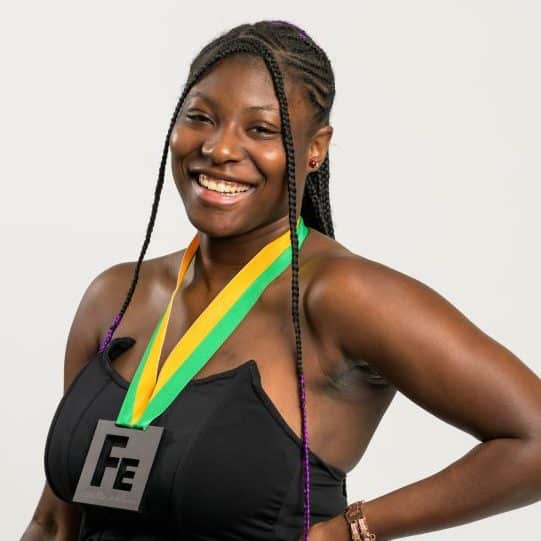
Iyanla Chaney
Physician: Aman Wadhwa, M.D., MSPH
Cancer type: Hodgkin’s Lymphoma
Iyanla Chaney was 18 years old and only a few months away from graduating high school when she was diagnosed with stage 4 Hodgkin’s lymphoma. Chaney was a seemingly healthy athlete who suddenly had to stop running track and put her college plans on hold.
Oh, and all this occurred during the spring of 2020, meaning Chaney was approaching one of her life’s milestone moments while dealing with a cancer-Covid combo.
“Everything was hitting me all at once. The cancer diagnosis, not having a proper graduation, no prom,” Chaney says. “I couldn’t really do anything, because on top of having cancer I was trying not to get sick [from Covid]. So for most of my 2020, I was either at the hospital or at home. It was really difficult.”
Two things made the ordeal a little easier for Chaney to endure. The first was the support of her family, especially the determination of Chaney’s mother, to ensure that their daughter remained active and positive.
“My mom didn’t pity me or make me feel sad about it,” Chaney says. “She made me get up and do things, even when I didn’t want to. She said, ‘Physically, you’re sick. But mentally, you’re not. You still have a life to live, so you’re going to live it.’ I’m glad I had that support system.”
In addition, after consulting with Children’s of Alabama pediatric hematologist and oncologist Aman Wadhwa, M.D., MSPH, Chaney agreed to take part in a clinical trial of a medication designed to have fewer side effects than the standard therapy for her type of cancer without losing the effectiveness. Not only has Chaney been in remission for the past three years, but her treatment turned out to be more tolerable than she had expected.
“In general, Hodgkins’s lymphoma is very curable. So, a lot of the focus recently has been in reducing the treatment intensity and using more immunotherapy methods, while at the same time maintaining the excellent cure rates that we have,” Wadhwa says. “For somebody who still has decades of productive life ahead of them, it’s important to have treatments that are not only effective but also safe from negative side effects than can impact them long-term.”
Some frustrating memories are the only negatives Chaney still has from her 2020 cancer experience. Since going into remission, she has earned a dual degree from Lawson State Community College in psychology and behavioral sciences, and she is about to enter the University of Alabama in Huntsville with plans to major in sociology.
“At first, I wasn’t sure about a clinical trial, but it was the best thing I could have done,” Chaney says. “Because not only did it help me have a better life, I know it’s going to benefit a lot of other people as well.”
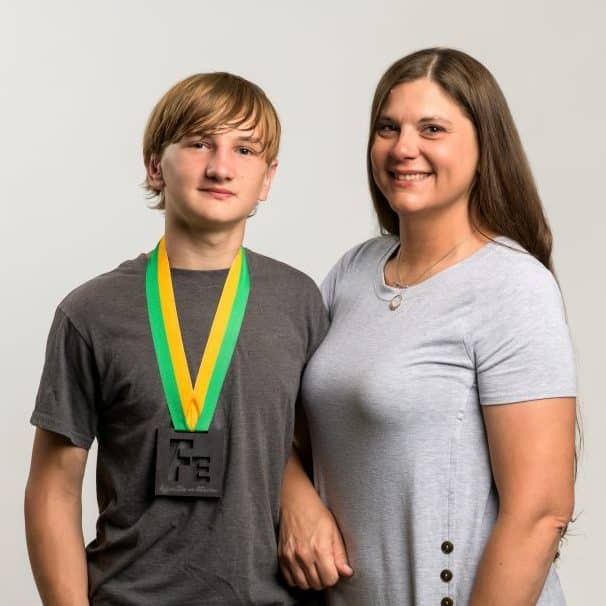
Hunter Creamer
Physician: Kim Whelan, M.D.
Cancer type: Neuroblastoma
A groundbreaking new cancer treatment that received FDA approval in 2016 came about partly because of Hunter Creamer’s participation in a clinical trial. Not that Hunter knew anything about it at the time. That’s because his involvement took place when he was only a year old.
Four days after his first birthday in 2010, Hunter was admitted to Children’s of Alabama with severe pain in his right leg. “He’d scream whenever you touched it,” says Hunter’s mother, Marilyn Casas. Testing revealed that he had neuroblastoma, a cancer that usually occurs only in children younger than age six.
While neuroblastoma is not uncommon, Hunter’s case was more severe than most. He had a tumor on his bladder and elements of the disease in his right femur, right pelvis and left adrenal. “He was really quite sick when we first saw him,” says UAB pediatric hematologist and medical oncologist Kimberly Whelan, M.D., MSPH.
Hunter underwent various treatments and procedures for more than a year. During that time, Casas agreed to enroll him in a clinical trial testing a new immunotherapy for neuroblastoma.
“I was willing to do anything to give Hunter a better chance,” Casas says. “And if it helped Hunter, and that gave another child a better chance, then we’d all be blessed.” That is exactly what happened. Hunter was declared cancer-free just a few months after his second birthday, and there has been no reoccurrence. He is now 15 years old, enjoys PlayStation and is looking forward to being able to drive. “He’s just a normal 15-year-old,” Casas says. “You wouldn’t know he went through so much.”
Meanwhile, the clinical trial that helped Hunter was so successful it was stopped sooner than planned, and the resulting immunotherapy, called Dinutuximab, was given FDA approval, making it the first approved immunotherapy specifically for pediatric cancer.
“There was a lot of excitement and celebration over that,” Whelan says. “And it would not have been possible without the families of these young patients like Hunter’s agreeing to go on a clinical trial.
“There used to be a tendency to treat pediatric cancer the same way as adult cancer, but we’ve learned that the cancers children face often are very different. These trials allow us to learn about these specific types of pediatric cancer and come up with treatments that can provide significant and sustained long-term improvements. That’s what happened in this trial.”
For her part, Casas says she – and Hunter – are pleased they were able to help, especially after all the help Hunter received in defeating his cancer.
“It was a nightmare year, but I wouldn’t have wanted to be anywhere else other than Children’s,” Casas says. “They were wonderful physicians, wonderful nurses. It was almost like having another family that cared about my child the way that I did.”
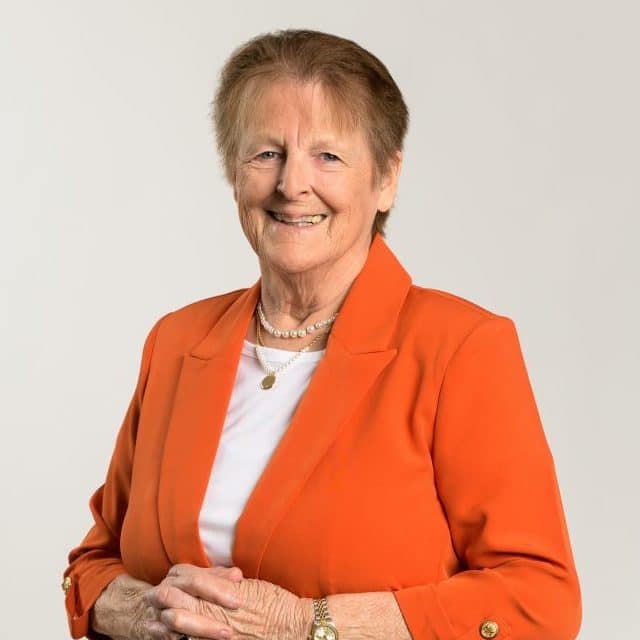
Debby Davis
Physician: Michael Straughn, Jr., M.D.
Cancer type: Mantle Cell Lymphoma
In January of 2018, Debby Davis began an IV chemotherapy regimen to treat her clear cell ovarian cancer as part of a clinical trial called the TAPUR study. Once a week, she ventured from her home in Harpersville, AL to the UAB Gynecologic Oncology clinic for lab tests and a quick 30-minute infusion of the drug temsirolimus.
Just over six years later, Davis continues to make this trip nearly every single Wednesday. As of late June she had completed the four-week chemo cycle 82 times, putting her total number of visits to the clinic in the 330 range.
“The people there call me Ms. Wednesday,” Davis says with a laugh. “I know everybody, and everybody knows me. The cafeteria people ask me if I work there. They’re all my family now.”
Davis’s determined effort has paid off. Though her cancer has not been eliminated, it has remained under control, allowing her to continue working and maintaining an active lifestyle into her early seventies.
“I’m just living with cancer,” Davis says. “It’s a lot like somebody living with diabetes. People with diabetes take their shots at home. I can’t take this medicine to the house, so I just have to go to UAB once a week. It’s my day out. I get treated there, talk to everybody and then go home.”
Davis views the weekly trip as more of an opportunity than an obligation. That’s because in the first few years after a tumor 20 centimeters in diameter was discovered on her left ovary in 2015, Davis’s prognosis was not promising. Her initial attempts with standard chemo treatments did not prevent the cancer from advancing, and she had insurance issues involving a potential oral drug.
Finally, after the cancer spread to her liver, Davis became eligible for the TAPUR study, a national trial that targets such tumor mutations. By that time, she was running out of options.
“Other than this drug, we didn’t really have any treatments for her,” says UAB gynecologic oncologist Michael Straughn, Jr., M.D. “Without this clinical trial, her prognosis would have been pretty poor. But as soon as she started on the trial, her cancer just stopped growing right in its tracks, and it hasn’t grown at all since.”
As a result, Davis has been able to continue living her life without much change. She spends time with her children and grandchildren, and she takes care of her 2-acre property in Harpersville. And, of course, she makes the weekly trip to UAB.
“I’m just amazed at what this drug has done for me,” Davis says. “I’ve been on this medicine for so long that my cancer is calcified. It’s just like having little rocks inside me. As long as my lab results stay the same, I’ll just come back each week and let them treat me.”
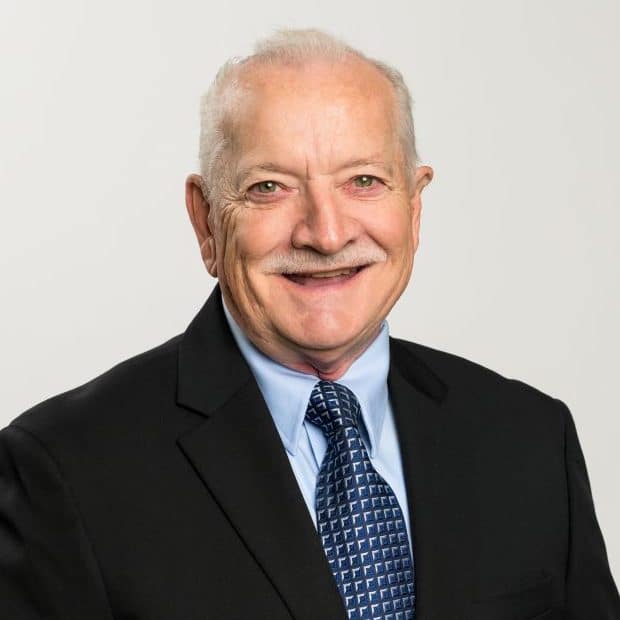
Fred Halstead
Physician: Arnab Basu, MPH, FACP, M.D.
Cancer type: Bladder Cancer
On one of the days when Fred Halstead was scheduled to take part in his regular immunotherapy treatment for bladder cancer, he noticed it was National Nurses Appreciation Day. So, he stopped and picked up a dozen doughnuts for the nurses at UAB who were helping treat him.
“I took them to say thanks for everything that they do,” Halstead says. “Then I thought, ‘Why do I appreciate them just one day out of the year?’ So from them on, every time I go in for my immunotherapy, I take them a dozen doughnuts.”
Halstead has a special appreciation for most things these days. After all, when he was diagnosed with metastatic bladder cancer in 2019, he was told that the disease was too far advanced for surgery, and the five-year survival rate was less than ten percent.
But then, UAB medical oncologist Arnab Basu, MPH, FACP, M.D., informed him of a possible alternative involving a clinical trial taking place in conjunction with the biopharmaceutical company AstraZeneca. Halstead agreed without much hesitation.
“My wife worked as an RN, and her last 17 years were spent in clinical research. So, I had her confidence in (clinical trials),” Halstead says. “Plus, to me it was like, ‘What do I have to lose?’ So I told them I was ready to give it a try.”
The results have been as much, if not more, than Halstead could have expected. Not only has the treatment eliminated the cancer, but he has experienced few side effects other than – oddly enough – an initial case of the hiccups. This October will mark the important five-year mark from his original diagnosis.
“Every time he has [a CT scan] and we see that his cancer is still clear, we’re very excited about it,” Basu says. “We are always a little bit nervous, especially at the beginning, that maybe this is temporary. But as time goes by, we start to think that this might really be a cure.
“This is how science moves forward. Sometimes the experimental treatment doesn’t work. But eventually, we make slow-but-steady progress. Mr. Halstead has benefited, of course, but his participation also benefits all patients across the board. He’s been one of the most amazing, diligent patients. He has shown a lot of commitment toward this research.”
Halstead also has shown plenty of appreciation for the research and the people involved with it. Lately, that appreciation has been demonstrated a dozen doughnuts at a time.
“The nurses and everybody at UAB have been so great,” Halstead says. “I get broken up thinking about it, because I love them so much. I couldn’t have asked for a better experience through any of it. I’m a blessed man. I’m so glad I got on this study. I feel like it saved my life.”
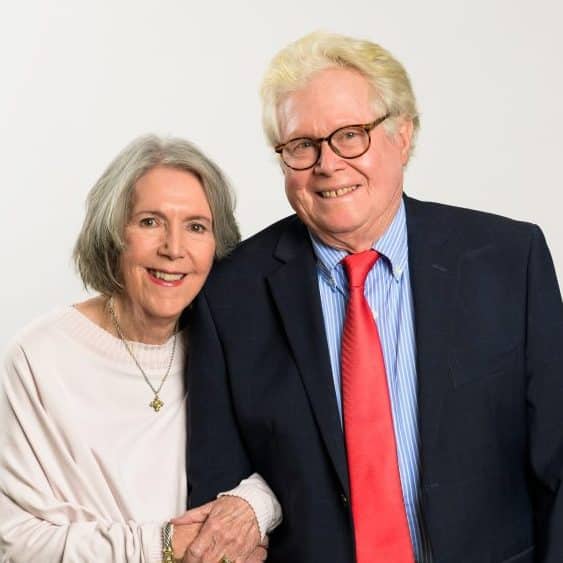
Tom Michaels
Physician: Luciano Costa, M.D.
Cancer type: Multiple Myeloma
As a longtime member of the Birmingham Metro Sertoma Club, Tom Michaels has often been a vocal advocate for the UAB O’Neal Comprehensive Cancer Center.
Recently, those efforts have become more personal for Michaels. His wife went through successful breast cancer treatment at UAB, as did his daughter for lymphoma. Michaels has recommended the O’Neal Cancer Center to several friends as well. Most personal of all, Michaels himself enrolled in a clinical trial at the O’Neal for multiple myeloma six years ago at age 78 and emerged cancer-free.
“I guess what goes around comes around,” Michaels says. “The money we raise for the Cancer Center helps them do the work needed to apply for grants that allow them to conduct these clinical trials. That shows the value of the contributions.”
Michaels is so familiar with the work taking place at O’Neal that when he received his cancer diagnosis, he quickly began doing research into the clinical trial being offered before he even had his first meeting with UAB hematologist and medical oncologist Luciano Costa, M.D.
“He’s a very engaged and informed gentleman who clearly understood the approach of our program,” Costa says. “Survival of myeloma is very age dependent, with most people in their late 70s having a survival rate of less than five years. He was looking for innovation and a way to beat those odds. So, he was willing to take a chance with a new approach.
“Even though the trial was mostly for patients at a much younger age who often are candidates for an autologous stem cell transplant, [Tom Michaels] proved himself right by tolerating treatment very well and enduring the side effects. Now, he’s been in remission for five years and is leading a very normal life.”
Indeed, Michaels says “right now, I’m good,” with no lingering side effects from the treatment. He takes a daily oral medication, meets with Costa every other month and monitors his health through a regular minimal residual disease (MRD) analysis.
“Now, he has become a tremendous advocate for our program and institution and is advising several other ongoing and prospective patients in the Cancer Center,” Costa says. “I’m very proud to have him as a patient.”
Having now been on the receiving end of the services provided by the O’Neal Comprehensive Cancer Center, Michaels says he can attest first-hand to the value of supporting the facility and its director, Barry P. Sleckman, M.D., Ph.D.
“I can’t say enough about Dr. Sleckman. He is a top-notch, active promoter,” Michaels says. “We started a fund for multiple myeloma research, and he’s been extremely helpful in raising additional funds for that. I’ve been elated with all the medical care I’ve had at UAB.”
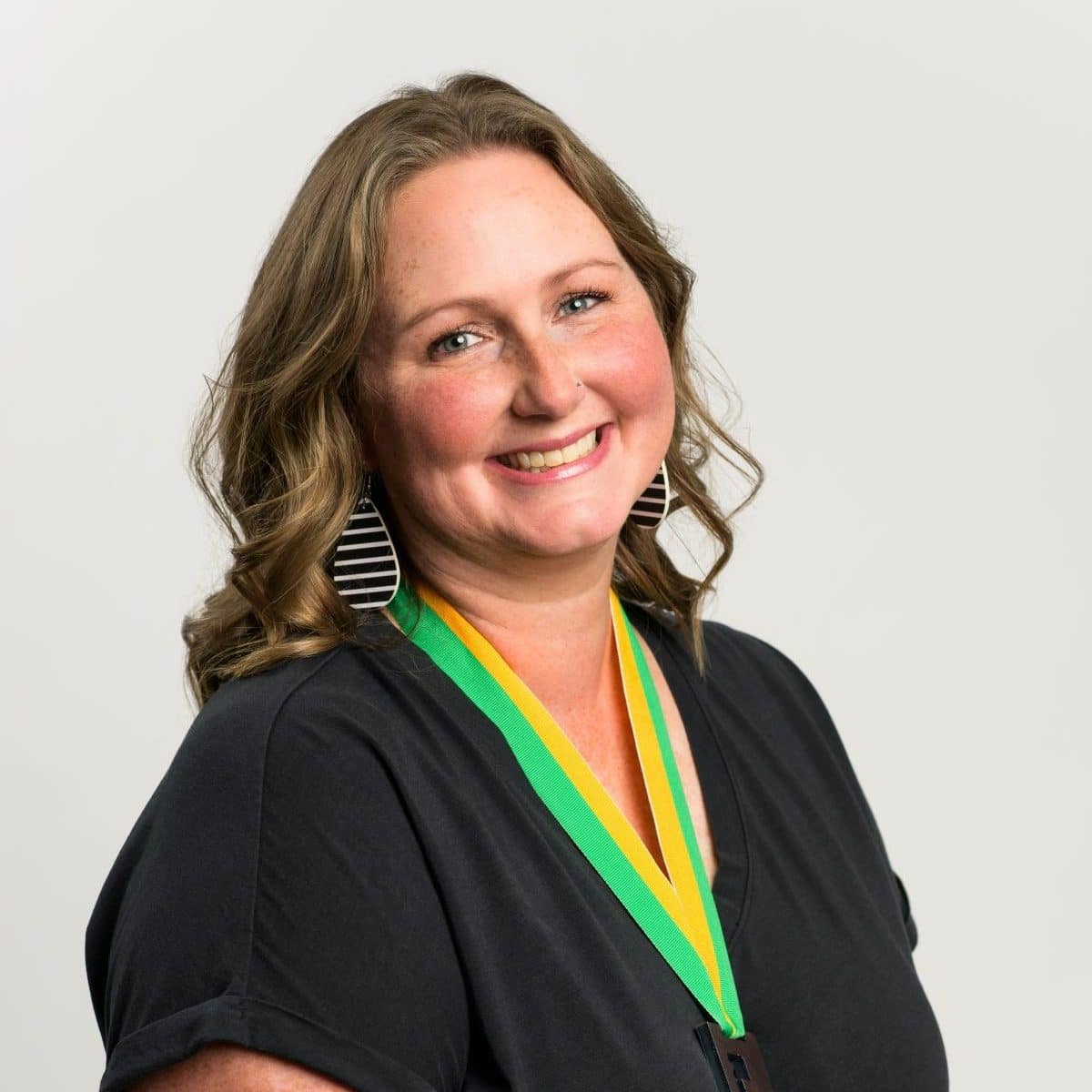
Becki Quinn
Physician: Maya Khalil, M.D.
Cancer type: Metastatic Melanoma
A cancer diagnosis often is a shocking and frightening experience for people, especially for anyone in their 30s. But Becki Quinn did not view things quite that way in 2020 when, at age 37, a lung biopsy revealed that she had metastatic melanoma.
To begin with, this already was Quinn’s third bout with cancer, so she knew what was happening. In addition, Quinn had worked as a nurse at UAB since 2008, giving her a firm understanding of health issues and potential treatments.
“It’s always an interesting interaction when your patient is in the medical field,” says UAB oncologist Maya Khalil, M.D., who helped treat Quinn. “You can use more medical terms and know that she understands all the jargon. Plus, being a healthcare worker, she realized the seriousness of the situation and what needed to be done.” As a result, when Quinn was given the option of enrolling in a clinical trial examining the effectiveness of an immunotherapy compared to a standard treatment with medication, she quickly agreed to participate.
“I was completely fine with it,” she says. “Whatever needed to be done, whatever they thought was the best route to take, was OK with me.”
Quinn’s treatment involved the immunotherapy, and she endured some significant side effects – including inflammation in her pancreases – before the infusions were halted after less than a year. That proved to be long enough, however, as the cancer rapidly decreased in size, and Quinn’s scans have been clear since 2022.
“Even though she had those side effects,” Khalil says, “she is a success story because she still had so much benefit for what could have been a fatal disease.”
Quinn agrees, which is why she is not troubled about the one remaining side effect involving her adrenal glands. “I still have to take a low dose of steroids because of that,” Quinn says. “But that’s OK. I’m alive.”
Khalil says Quinn displayed that same type of positive attitude throughout her treatment. Despite experiencing occasional fatigue and other issues, Quinn consistently worked her regularly shifts at the UAB Women & Infants Center.
“She was a trooper the entire time,” Khalil says. “I’d sometimes run into her in the hallways of the hospital or at the cafeteria, and she was always in good spirits despite everything that was happening to her on the medical side.”
That is because of the other reason Quinn says she refused to be fearful or despondent following her cancer diagnosis – her faith.
“I’m a Christian, and I never doubted I was going to make it through this,” says Quinn, who is married with three children. “I have a family, and I was determined that this was not going to beat me. There was never any doubt in my mind about that through the entire time.”
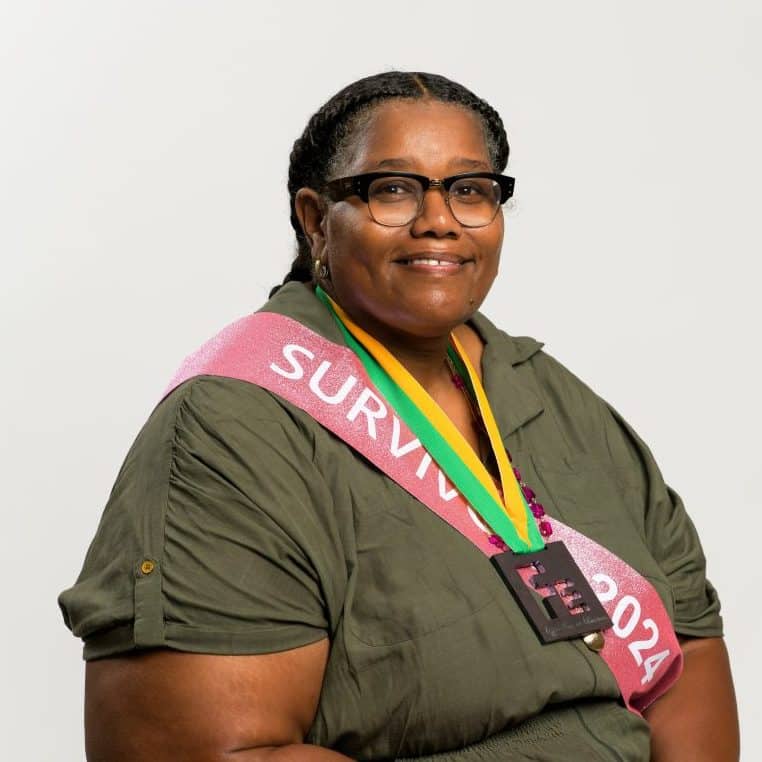
Tara Ransom
Physician: Katia Khoury, M.D.
Cancer type: Breast Cancer
Tara Ransom’s breast cancer journey lasted exactly one year. Then, she headed to the beach.
Ransom was diagnosed with stage 2 triple negative breast cancer, which is both rare and aggressive, on June 26, 2023. After a series of rapid treatments provided by the UAB Breast Health Clinic, including participation in a clinical trial, Ransom received her final immunotherapy treatment on June 26, 2024.
“After that, I went to Orange Beach with my family to celebrate the end of my breast cancer,” Ransom says.
The fact that all this took place in a 12-month span, Ransom says, is a testament to the scope of quality care offered by the UAB Breast Health Clinic. Since the issue was discovered during her annual mammogram at the clinic, all the treatment steps that followed took place quickly.
“I didn’t have to wait at all,” Ransom says. “On the same day I had the mammogram, I was sent to have an ultrasound, then was told I needed a biopsy. Within a week, I received the diagnosis. I was told that a team had already been assembled for me, and a treatment plan was already being created. Then, I received a call to schedule my consultation appointment.
“Ten days later, I met with all five doctors. Every question that I had, I didn’t have to ask because the material was provided to me. The diagnosis, the specific subtype of cancer, the cell type, what the standard of care was and the clinical trial option.”
The clinical trial, I-SPY 2, intrigued Ransom. It is part of a national study that has been ongoing for more than a decade, testing pre-surgery medications that can make the surgical procedure and follow-up treatments easier and more effective.
“If patients can be treated and have complete response before surgery, we have found that their outcomes long-term are much better and the risk of reoccurrence much less,” says Katia Khoury, M.D., the UAB breast medical oncologist who helped treat Ransom. “This drug combination worked very well for her and succeeded in decreasing the side effects. Then after her surgery, she had a fantastic response.”
In fact, Ransom responded so well that she ended up needing to participate in the trial for only 12 weeks instead of the 24 to 36 that were anticipated. Likewise, her number of expected post-surgery radiation treatments was cut by a third.
“I am so grateful that I was already in the UAB Breast Health Clinic when I received my diagnosis,” Ransom says. “Right away, I had access to everything I needed, including the material about the clinical trial. Already being in a setting that had access to the study made my decision to participate much easier.”
And while her cancer battle certainly was no year at the beach, that is exactly where it ended.
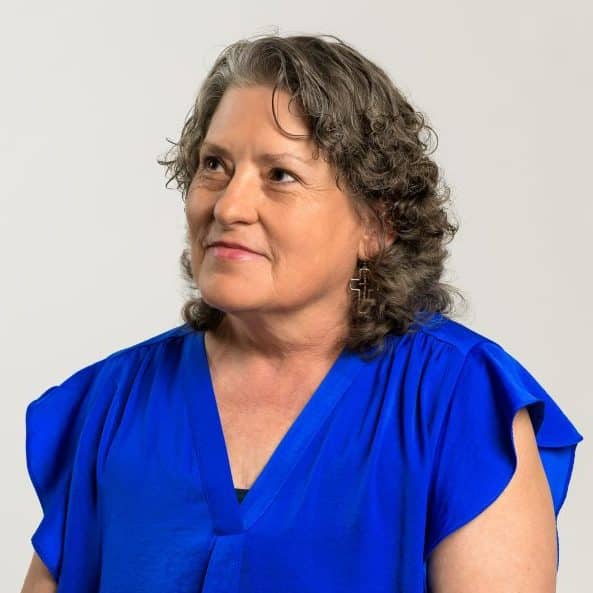
Lisa Williams
Physician: Nusrat Jahan, M.D.
Cancer type: Breast Cancer
After she was diagnosed with stage 3 triple negative breast cancer in 2022, Lisa Williams did a lot of listening. First, she listened to her daughters, who told her they thought UAB would be the best place to go for treatment. Then, she listened to the physicians, who carefully described the options available to her, including enrollment in the national I-SPY 2 clinical trial.
“They went through all the differences between the trial and regular treatment, and it just seemed like the trial was geared more toward me and my situation than the standard medicine,” Williams says. “So, I decided to go with the trial, and I thank God every day that I did because it turned out wonderful. I’m so thankful for the end results.”
Barely a year after her initial diagnosis, Williams was declared cancer-free. And while she had to endure a few side effects along the way, she says they were considerably milder than she expected.
“Overall, I had a great response,” Williams says. “I did lose my hair, and I had a few minor things like some muscle cramping and ankle swelling. But I’ve talked with a lot of people who were amazed that I got through everything as easily as I did.
“The people at UAB were all so nice. Everybody I met was absolutely wonderful. The doctors kept me updated on everything, so I knew what was going on all along. And if I didn’t understand something, they’d absolutely go out of their way to explain it. I had a great experience there.”
Williams’s treatment began working quickly after she started it in November of 2022. Within three months, her cancer was reduced by 65 percent. By the time she underwent surgery three months after that, the cancer basically was gone.
“She did not have any visible cancer in her breast or lymph nodes,” says UAB hematologist oncologist Nusrat Jahan, M.D., who was involved with Williams’s treatment. “She had a complete biological response to the trial medicine, and patients who do that have a great prognosis. So, we’re really happy with her situation.
“These new-generation treatments are less toxic and more effective comparted to older chemotherapy-based regimens, so she was able to avoid the more toxic part of the treatment. That is why we need these clinical trials, so we can have as many options as possible for patients. She has been off treatment for more than six months, and there is no evidence of her cancer coming back.”
Of course, there is always the possibility of a reoccurrence. And if that should happen, Williams has a pretty good idea what she will choose to do.
“If the cancer comes back and they have another trial they can offer me,” Williams says, “I’m sure I’ll probably try it.”